
Stepping into Porto is embracing a city steeped in history yet vibrating with contemporary energy. As a UNESCO World Heritage Site, Porto is celebrated for its well-preserved cityscape, iconic bridges, and its enduring connection to wine and culture. A beloved Portuguese city, with its iconic azulejo facades, labyrinthine alleys, and breathtaking sunsets. It was an unforgettable chapter in our European adventure.

Decided to immerse ourselves in the city intertwined with the birth of Portugal itself. We logged thousands of steps each day in the streets of Porto, eager to explore every corner and discover bustling markets, inspiring architecture, and tasty treats.
While Porto offers endless discoveries beyond its core, our immersive exploration focused on its historic center, proving that even a few days can unveil its profound charm. This guide, organized into three walkable areas, helps you maximize your time, showing how much magic can be found just minutes apart. Get ready to fall in love with Porto’s captivating beauty and rich cultural heritage.
Please note that the links I’ve included in this article are provided solely for your convenience and to provide helpful resources. We are not affiliated with, nor do we receive any payment or commission from these sites.
Baixa, Clérigos & Miragaia
Baixa, the city’s historic downtown center, is a place with impressive squares and architecture. We emerged from the Metro do Porto into this bustling district in the pouring rain, immediately scampering onto trees and shops in a desperate attempt to stay dry. The avenue was empty, apart from clusters of tour groups ensconced underneath trees, listening to their guides amidst the morning deluge. We also found that we did not need the Metro Andante Pass to explore Porto, as we can easily walk the historic center in a few hours.
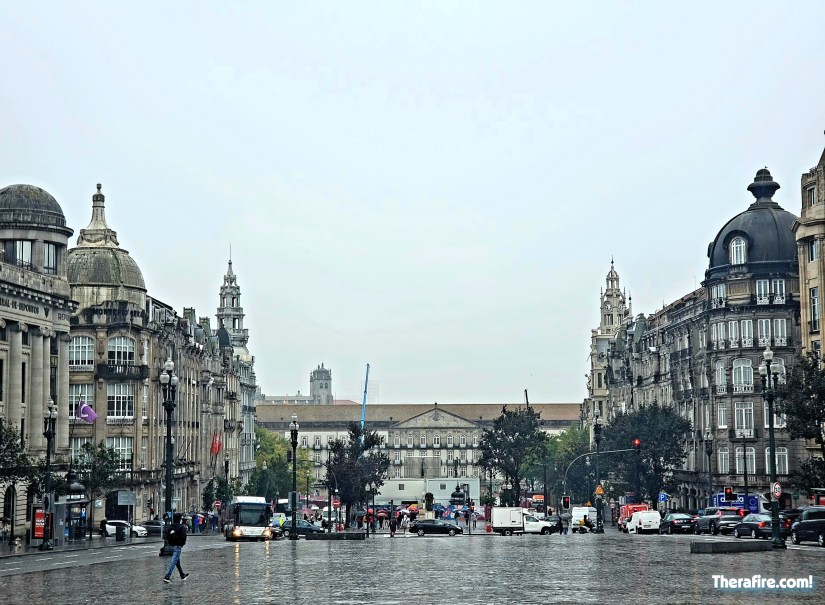
We were struck by the sheer scale of the buildings facing Avenida dos Aliados. This central boulevard is a huge pedestrian walkway with vehicle access on either side. It is flanked by imposing granite buildings that house various offices, cafes, and hotels. It leads directly up to a pool that reflects the magnificent Câmara Municipal do Porto (Porto City Hall). With its clock tower and ornate stone facade, it truly dominates the square, reflecting a sense of pride and history. Beneath the steps are the giant blue letters spelling the word PORTO.


Just a short stroll from the square, we found ourselves mesmerized by a beautiful edifice that turned out to be a familiar fast-food joint. The McDonald’s Imperial, formerly an Art Deco café, serves your regular pancakes and Big Macs. However, its stained-glass windows, ornate ceilings, and grand chandeliers make it an unexpected stop for a dose of architectural insight alongside an order of medium fries.

A visit to the historical center is not complete without a peek at one of the most beautiful train stations in the world, the Estação de São Bento. Stepping inside the atrium is like entering a piece of art. The walls are entirely adorned with thousands of brilliant azulejos. These are quintessential parts of Portuguese architecture and art, characterized by their vibrant, often blue-and-white glazed ceramic tiles that adorn everything from church facades to regular buildings. They are decorative, but they also tell stories, depicting pivotal moments in Portuguese history and everyday life. Follow this link for the exact location of the atrium.


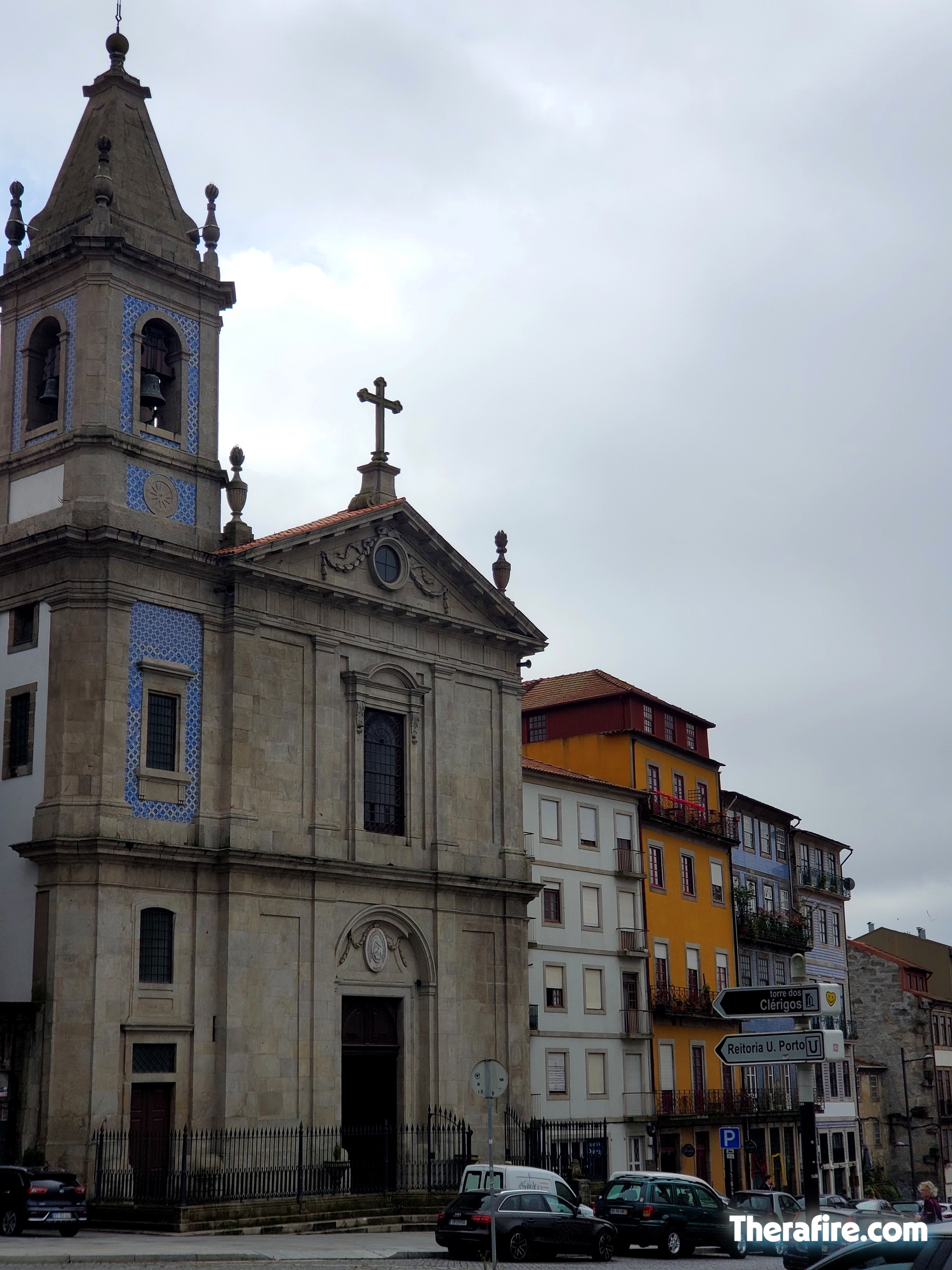
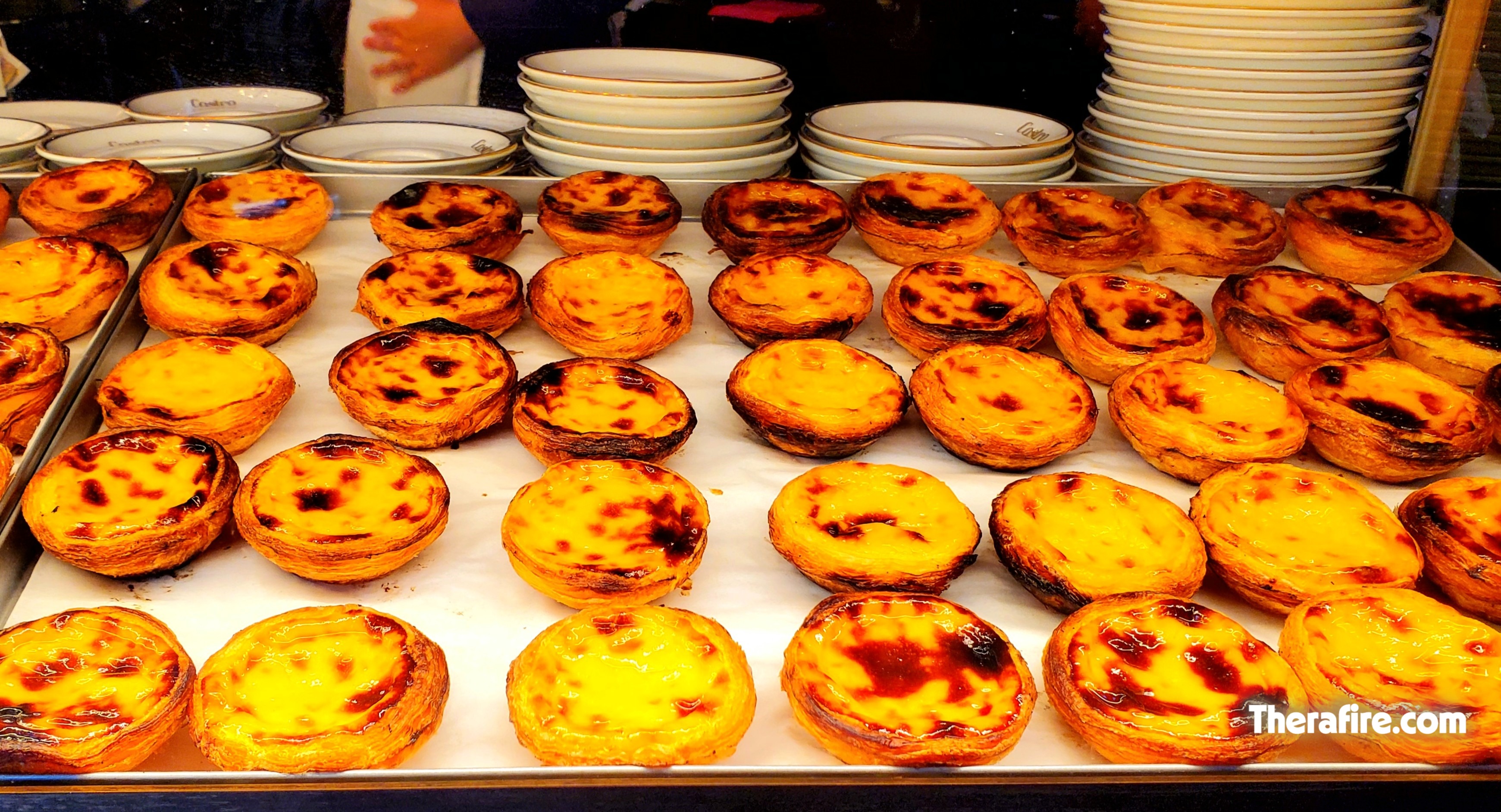
West of São Bento Station is the Clérigos area, an area that pulses with intellectual energy and history. The undisputed icon here is the magnificent Igreja dos Clérigos (Church of the Clerics) and its bell tower, the Torre dos Clérigos. The streets leading to the church are a lively mix of souvenir shops, cafes, and fábrica de Pastéis de Nata (pastel de nata bakeries). We probably indulged in these mouthwatering pastries in various shops in Porto throughout our stay. Try them with one of Porto’s red wines and you can thank me later.

The Igreja dos Clérigos is a Baroque masterpiece, designed by Nicolau Nasoni. The shape of the church allows for a panoramic view of the lavish details of the church’s interior, as we waited for a pipe organ concert that typically takes place at noon on Wednesdays. Sculptures of religious figures, intricate marble pillars, and brass pipes from the organ adorn the church’s tall walls and ceiling.
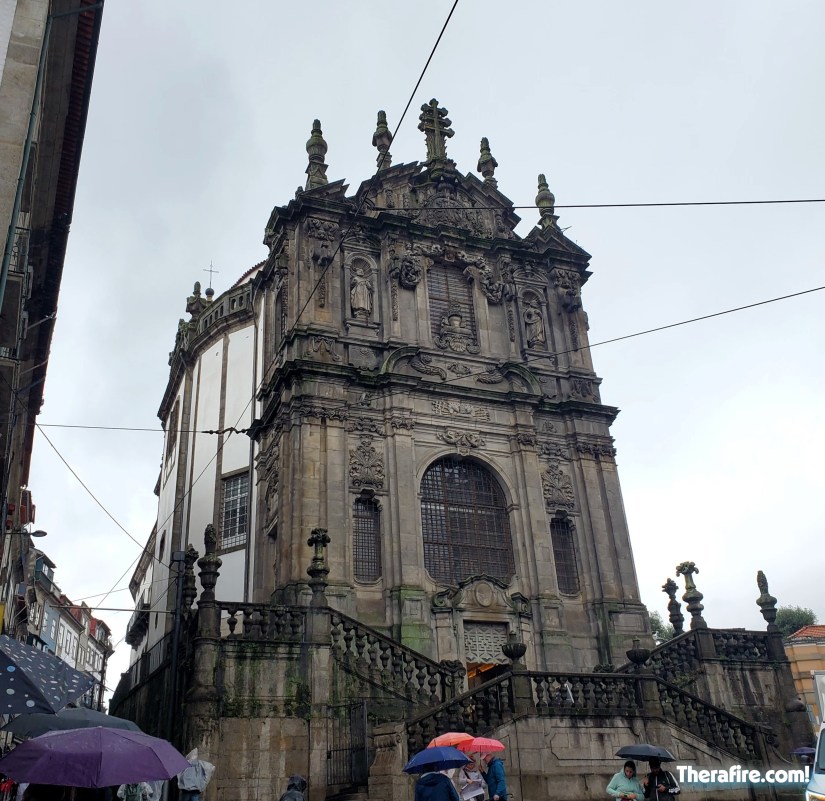
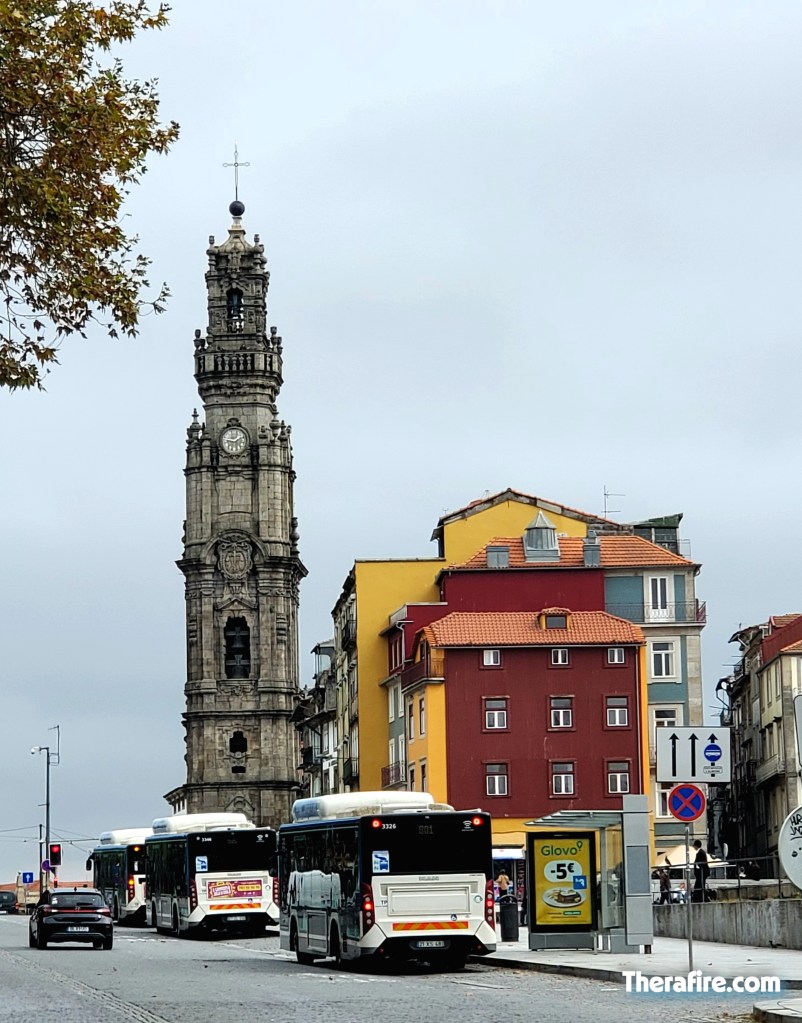
We did not climb the 225 steps to Torre dos Clérigos, but it is a dominant figure on Porto’s cityscape, making it one of the most visited monuments in Portugal. The Clerigos church, tower, and museum are open every day from 9:00 am to 7:00 pm for 10 Euros. See the church’s official website for more information.
A few steps north of the church, marked by winding queues of people, is an old bookstore. Livraria Lello is widely regarded as one of the most beautiful bookstores in the world. Constructed by Francisco Xavier Esteves, its neo-Gothic facade hints of literary magic within. Nevertheless, nothing prepares you for the stunning staircase, with its swirling red steps, intricate wooden carvings, and the beautiful stained-glass skylight, which creates an enchanted atmosphere.
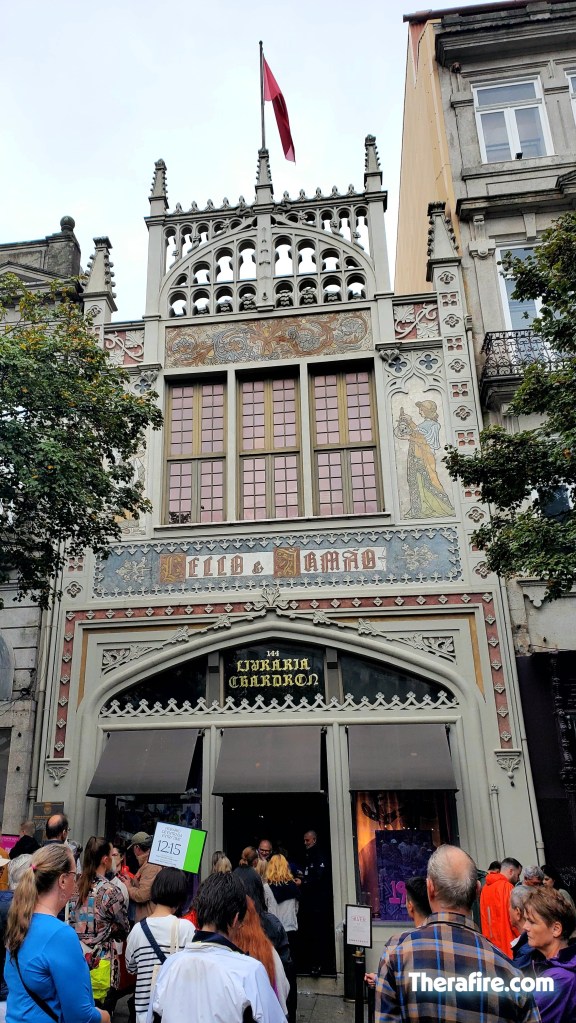

Due to its immense popularity, entry requires a purchased voucher, which can then be redeemed against a book purchase—a way to manage crowds. Expect to be shoulder to shoulder with other visitors while in the shop. Taking your social media-worthy photos would be a challenge.

Timed Entry Tickets cost 10 Euro for Silver Vouchers, 15 Euro for Gold, and 50 Euros for Platinum. We recommend just getting the Silver vouchers and redeeming them for one of their handy Livraria Lello Collection books. They are nicely designed with gilded pages, and are portable enough to put in your pocket. Visit the bookstore’s official website for additional information.
Walking west on Rua do Carmo, we reached Miragaia. A picturesque labyrinth of narrow, winding, and often steep streets, lined with traditional, brightly colored houses. Nestled along the hillside overlooking the Douro River, this was historically a riverside community, home to sailors, dockworkers, and merchants, and that working-class charm still fills the atmosphere.
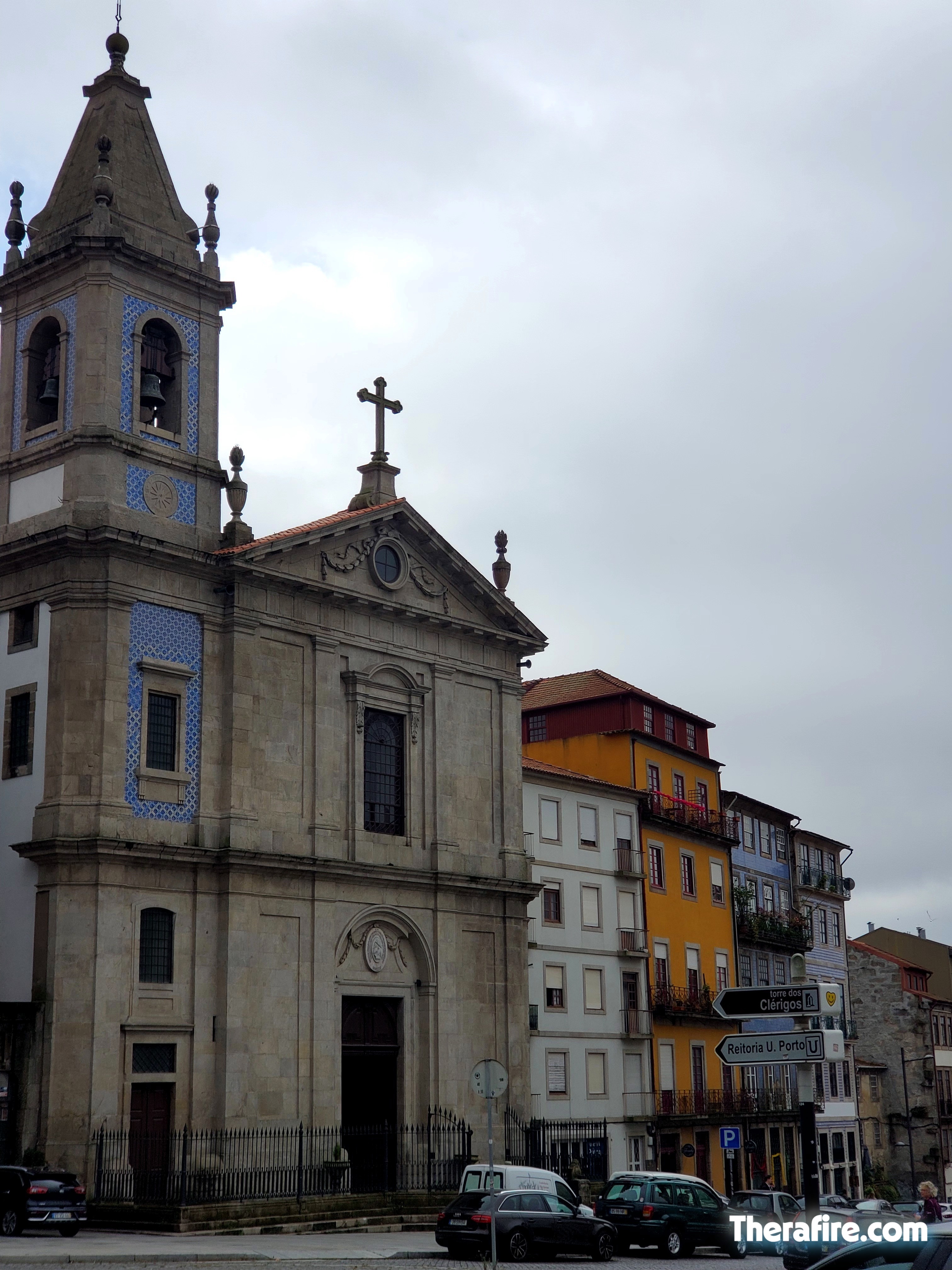

One of the most peculiar landmarks here is the Igreja do Carmo, standing prominently at the edge of Miragaia. The church is a magnificent 18th-century Baroque church, and its most famed feature is its stunning side facade, entirely covered in a spectacular mosaic of azulejo. These vibrant tiles depict scenes from the founding of the Carmelite Order. Entry to the church costs 7 Euros and is open from 9:30 am to 6:00 pm.
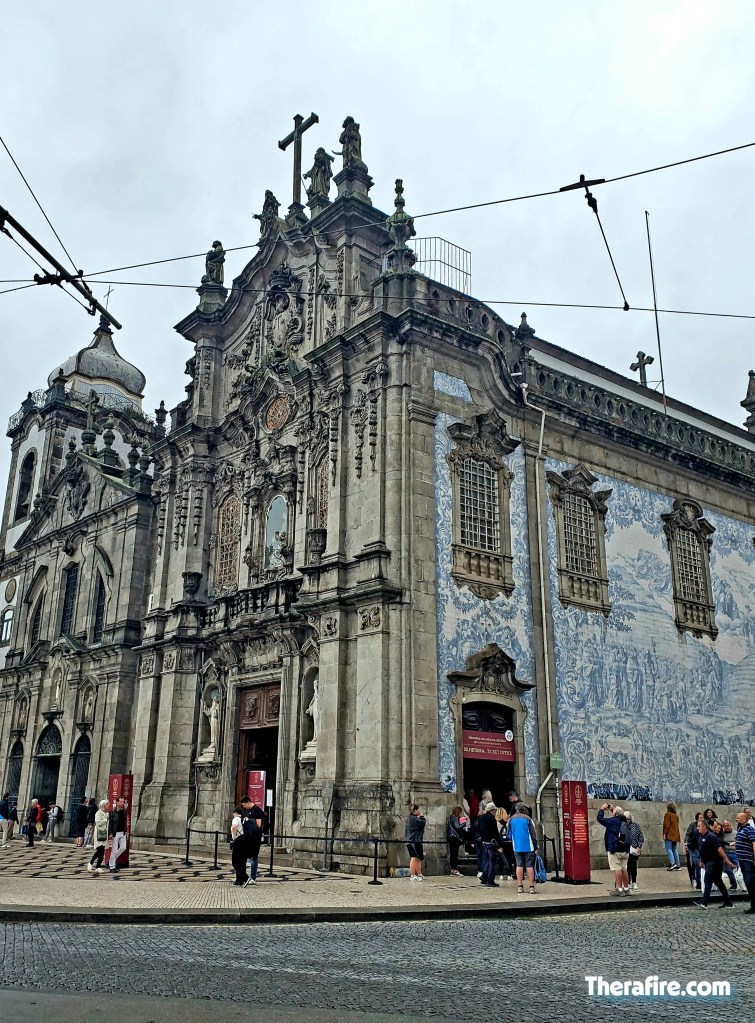
One thing that is peculiar about the church is its connection to the adjacent Igreja dos Carmelitas. If you look closely, there is an incredibly narrow house that separates them. Rumors suggest that this architectural curiosity was intentionally designed to prevent any unwanted comingling between the Carmelite monks of Igreja do Carmo and the nuns at Igreja dos Carmelitas.
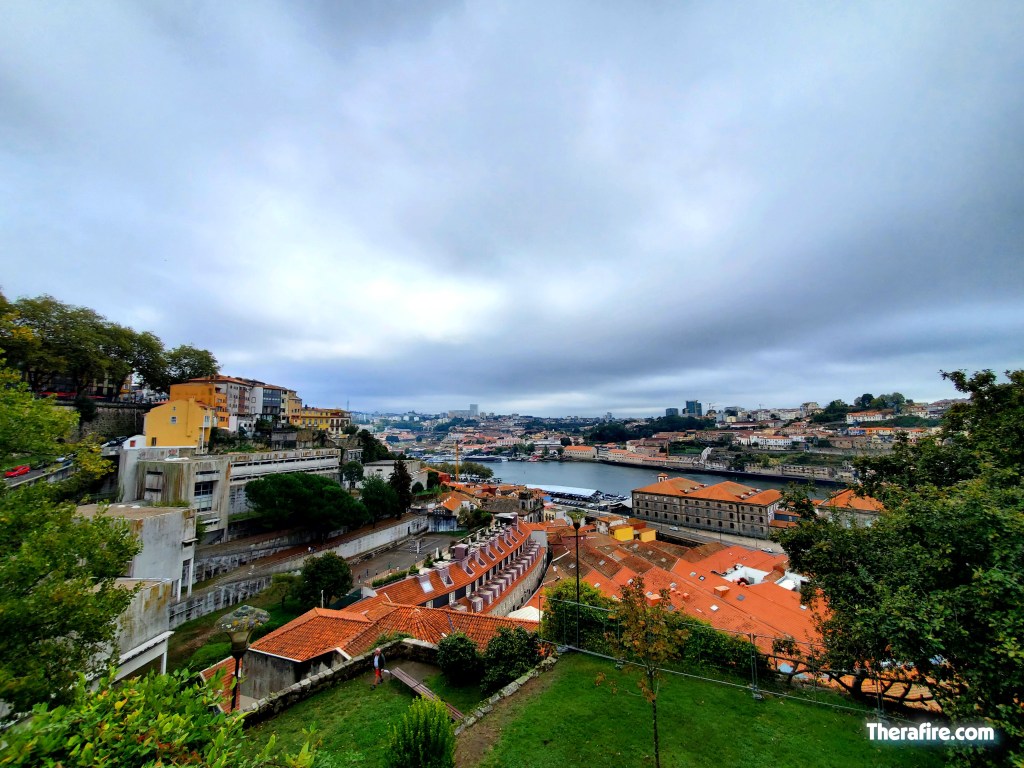
For a moment of serene escape, we headed to Parque das Virtudes. This tiered garden cascades down the hillside, offering some of the most breathtaking panoramic views of the Douro River, Vila Nova de Gaia, and the city stretching out below. It’s a beloved spot for locals to relax, especially in the evenings, and enjoy sunsets away from the tourist crowds.
Bolhão
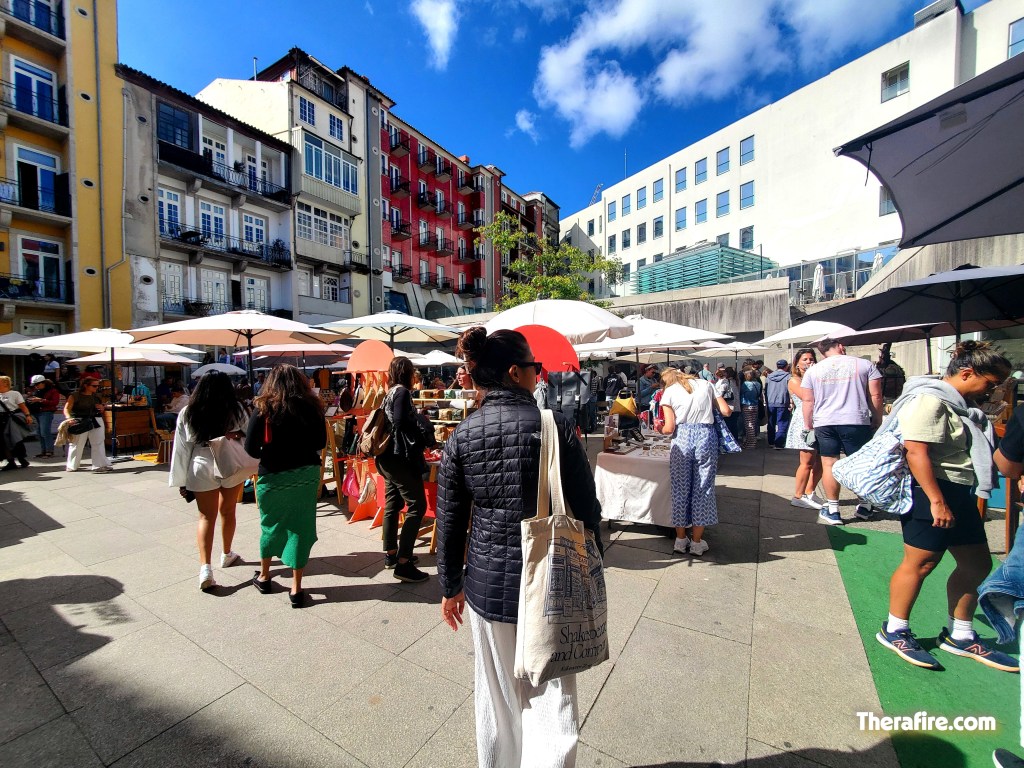
East of the Porto São Bento Station lies the Bolhão area — a neighborhood steeped in a mix of old buildings, local shops, and restaurants that offer a glimpse into everyday life in Porto. Closest to the station is the Praça da Batalha (Battle Square), a lively hub centered on the Monument to King Dom Pedro V. It is a small park that tends to be busy on weekdays due to its proximity to the nearby Batalha Metro Station. On weekends, this plaza transforms into a small flea market, where you can find a variety of unique souvenirs, including hats, leather goods, jewelry, and scented soaps.
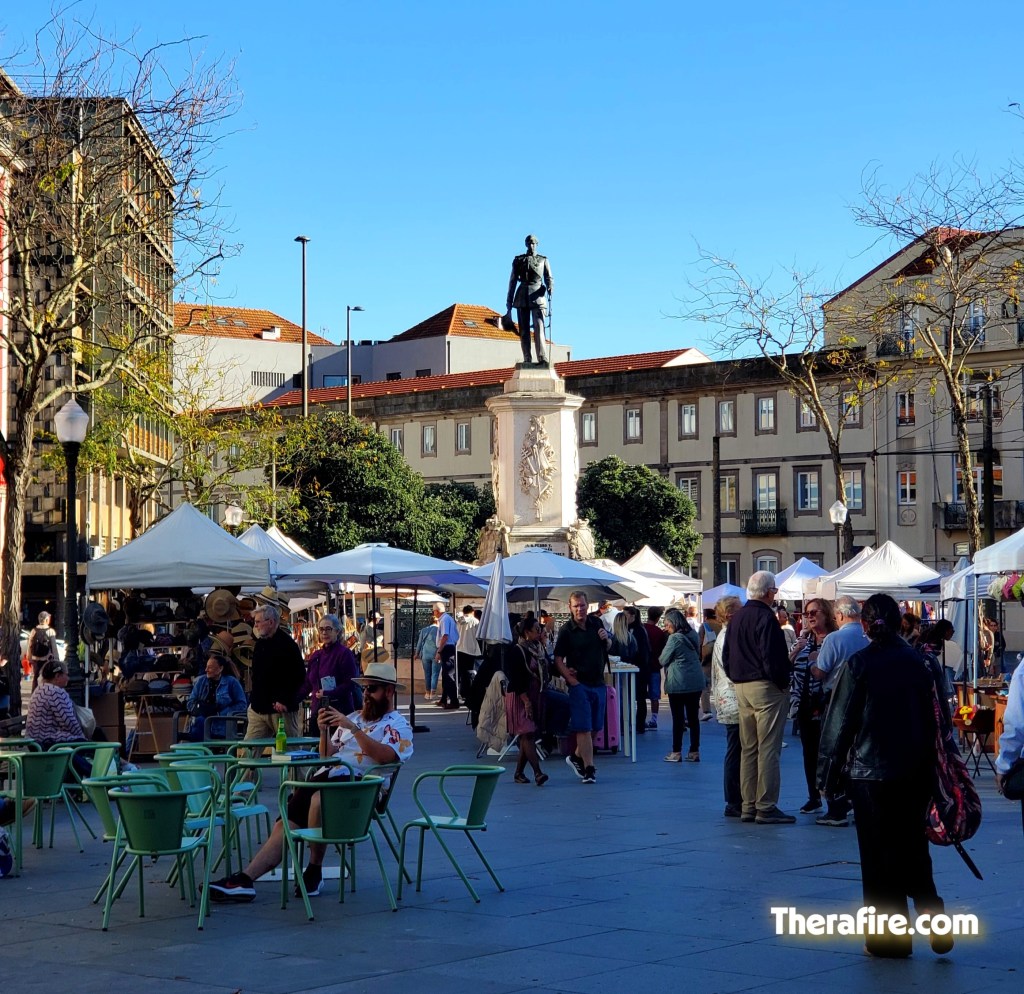
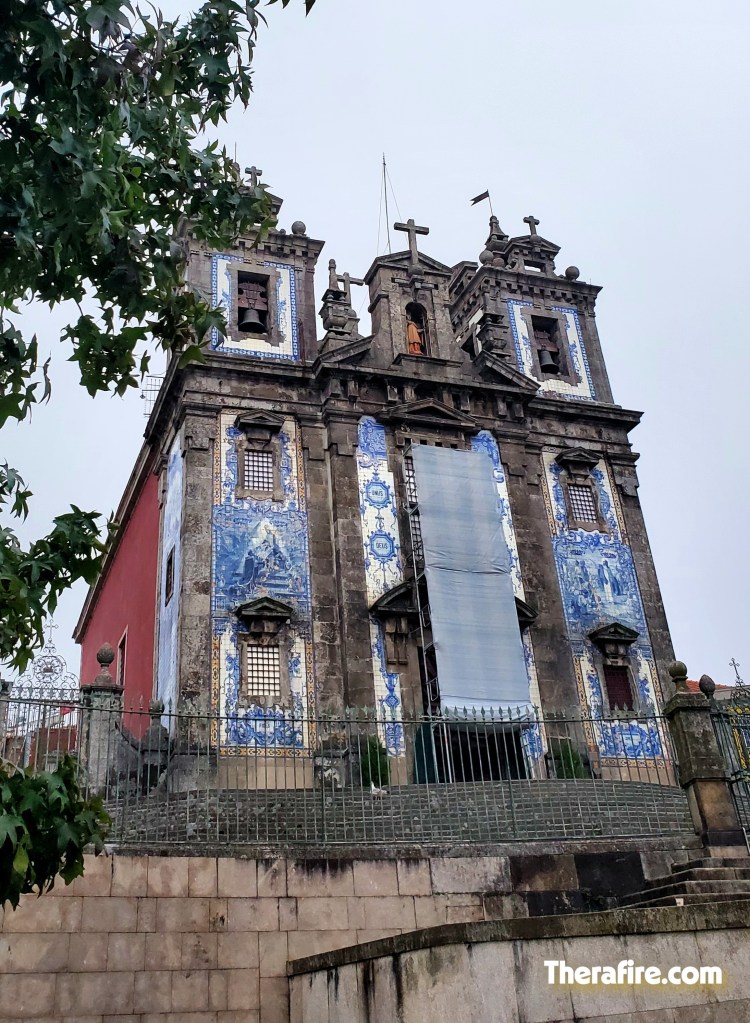
At times, the white tents spill over onto the streets and the plaza of the Igreja Paroquial de Santo Idelfonso. This church is also adorned with the iconic blue and white azulejos on most of its façade. Designed by Jorge Colaco, its eleven thousand tiles depict the life of Saint Idelfonso and scenes from the New Testament.
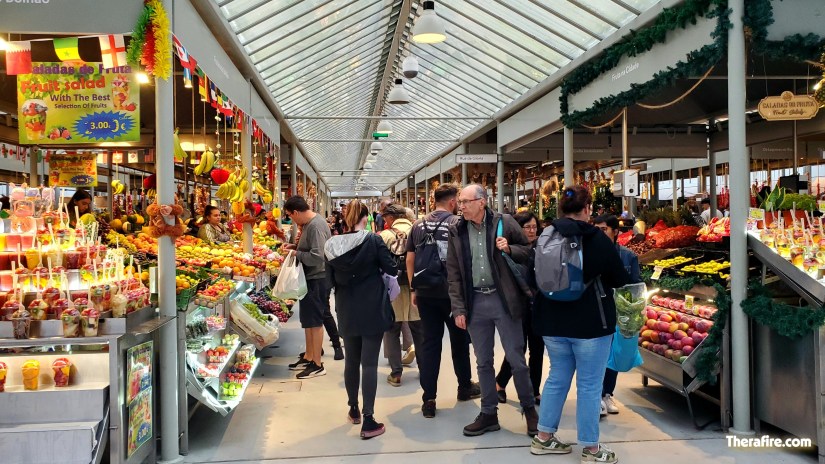
Our wanderings in Bolhão led us to a must-visit, iconic market, housed in a wide-open neoclassical building. The lively Mercado do Bolhão, the beating heart of Porto’s traditional commerce, is an actual sensory explosion. Inside, we were greeted by the chatter of vendors proudly showcasing their goods – a kaleidoscope of fresh produce bursting with color, mountains of dried fruits, fragrant flowers, and fresh seafood of the day.




Mercado do Bolhão is not just a place to shop but a gathering spot to share a meal. Dozens of stalls sell a variety of snacks, including pasta, codfish bread, and cheese plates, which you can pair with an assortment of Port wines. It is perfect for a budget-friendly rendezvous. A few tables are available by the fruit stands, but when it gets busy, people sometimes sit on the steps, being careful not to block pedestrian traffic.
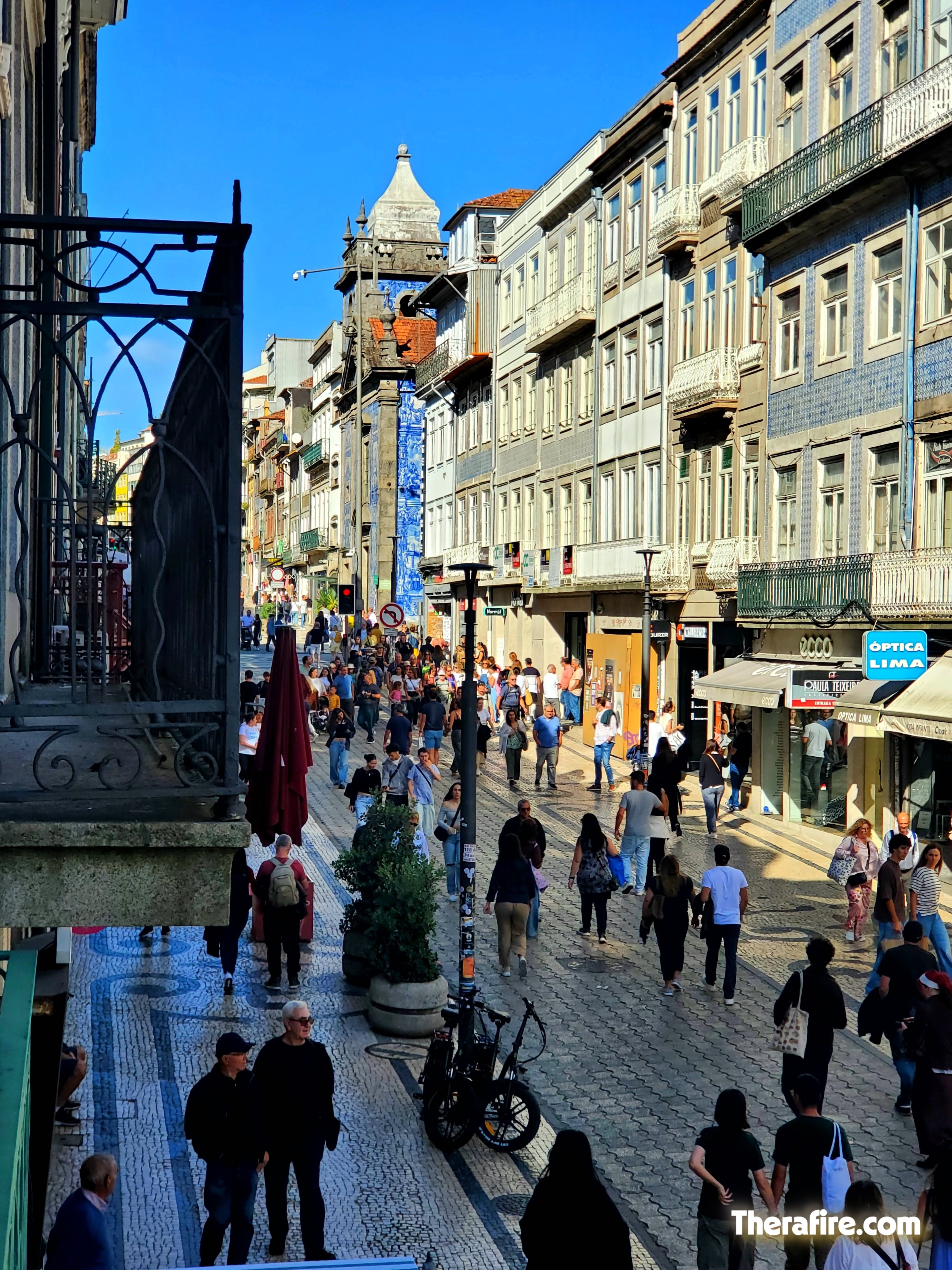
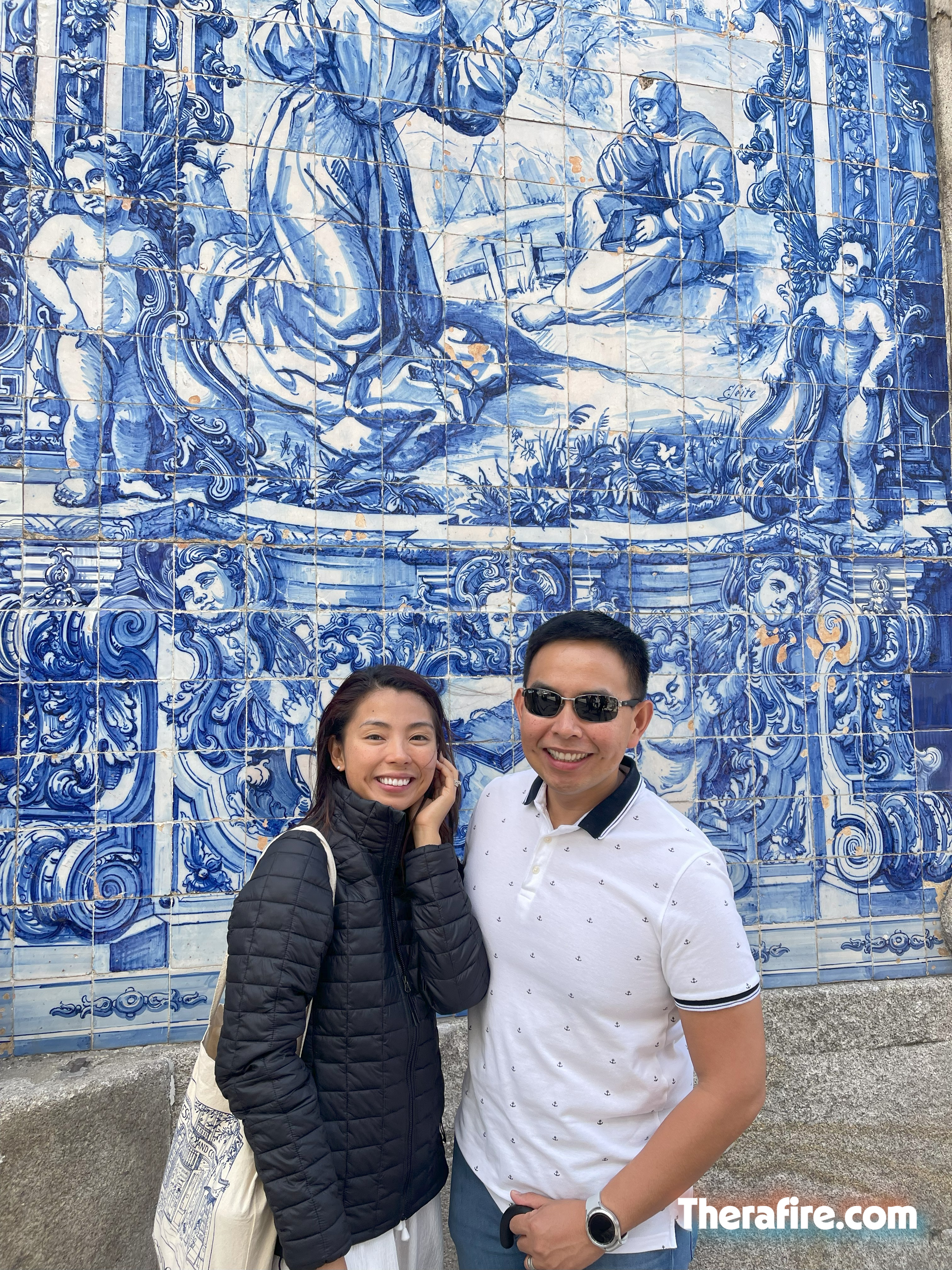
Another lively street in the historic center is the Rua de Santa Catarina, one of Porto’s premier shopping lanes. It’s a bustling pedestrian thoroughfare, pouring with energy. The buildings around it are an eclectic mix of contemporary and 20th-century facades, but none more breathtaking than the Capela das Almas (Chapel of Souls). Its entire exterior is enclosed in beautiful azulejo, depicting religious figures and events. Although small, the chapel is lavishly decorated with carpeted floors, a gilded altar, balconies, and a grand painted ceiling.
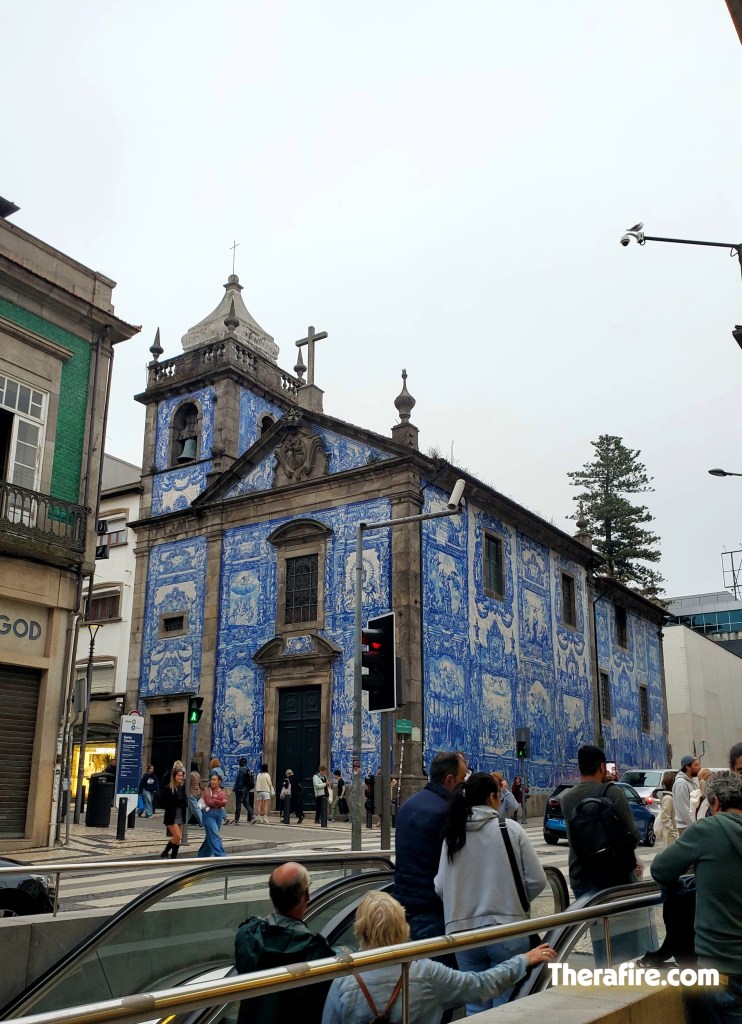
The length of Rua de Santa Catarina, accessible only to pedestrians, can be walked in about 10 minutes. It is littered with souvenir shops, restaurants, shopping complexes, and bookstores, but most of the entertainment comes from the multitudes of locals and visitors who pass by every day. On lazy afternoons, we would sit down in one of the cafes, enjoying pastel de nata with red wine while people-watching from balcony chairs.
Ribeira & Vila Nova de Gaia
Across from the São Bento Station, we followed foot traffic into the Urban Market. An alley that leads to a vibrant and contemporary market space offering unique finds from local designers. We continued down the slope to Rua das Flores, another charming pedestrian street that leads down from the Baixa to Ribeira. This vibrant street is full of boutiques, souvenir shops, cafes, pastel de nata bakeries, restaurants, and beautiful apartment facades. When foot traffic is high, local performers showcase their talents at various points for you to enjoy.

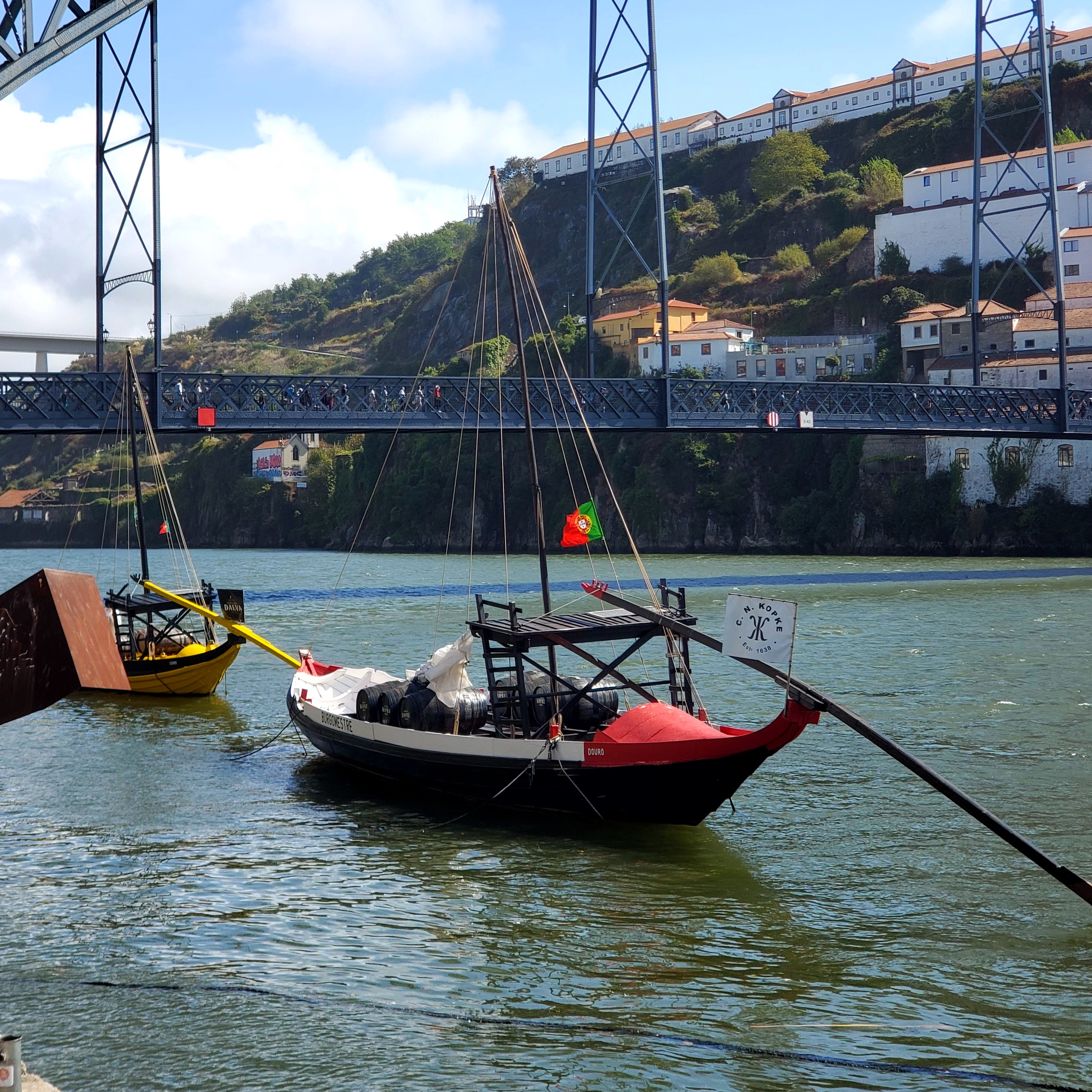
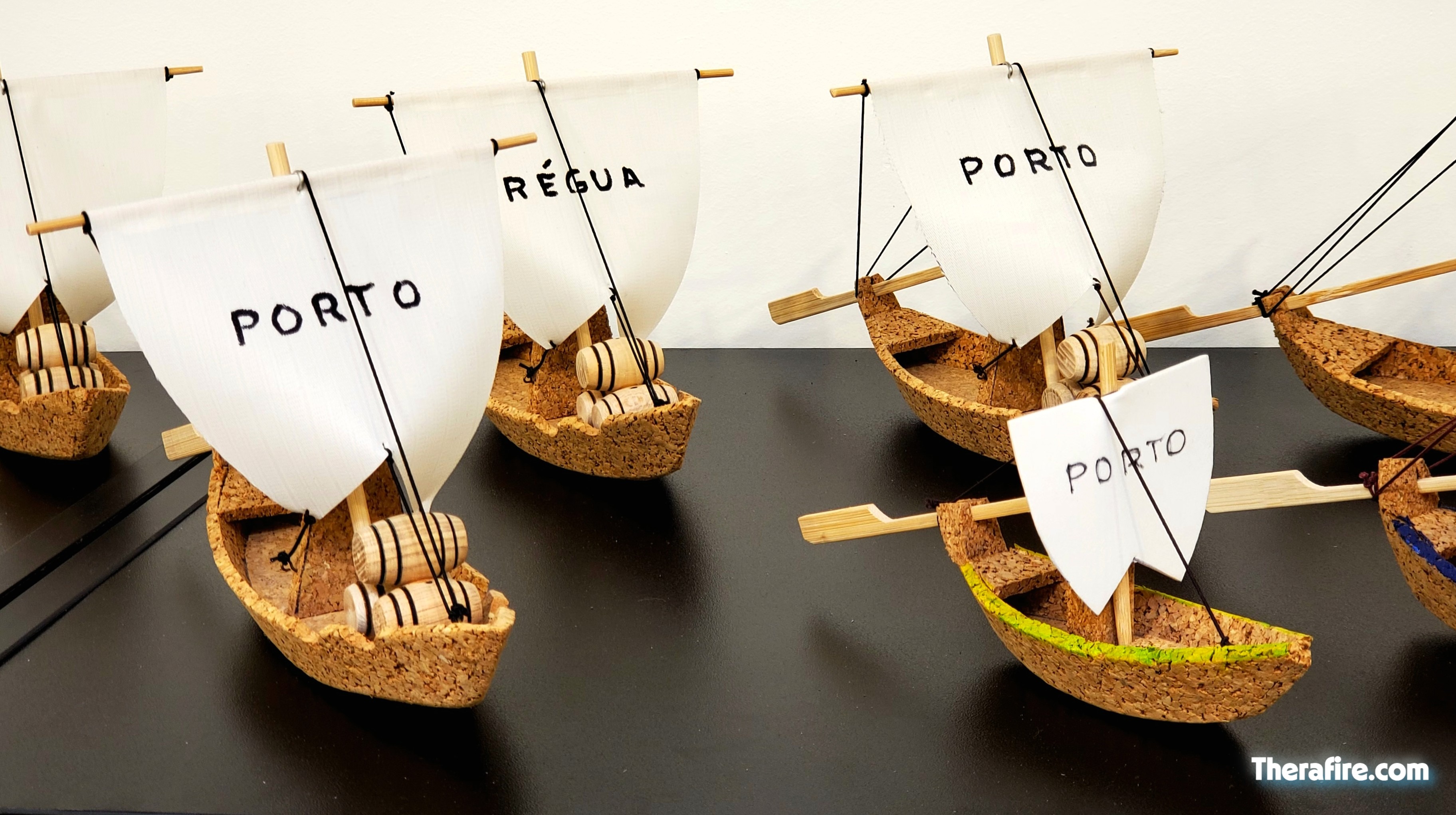
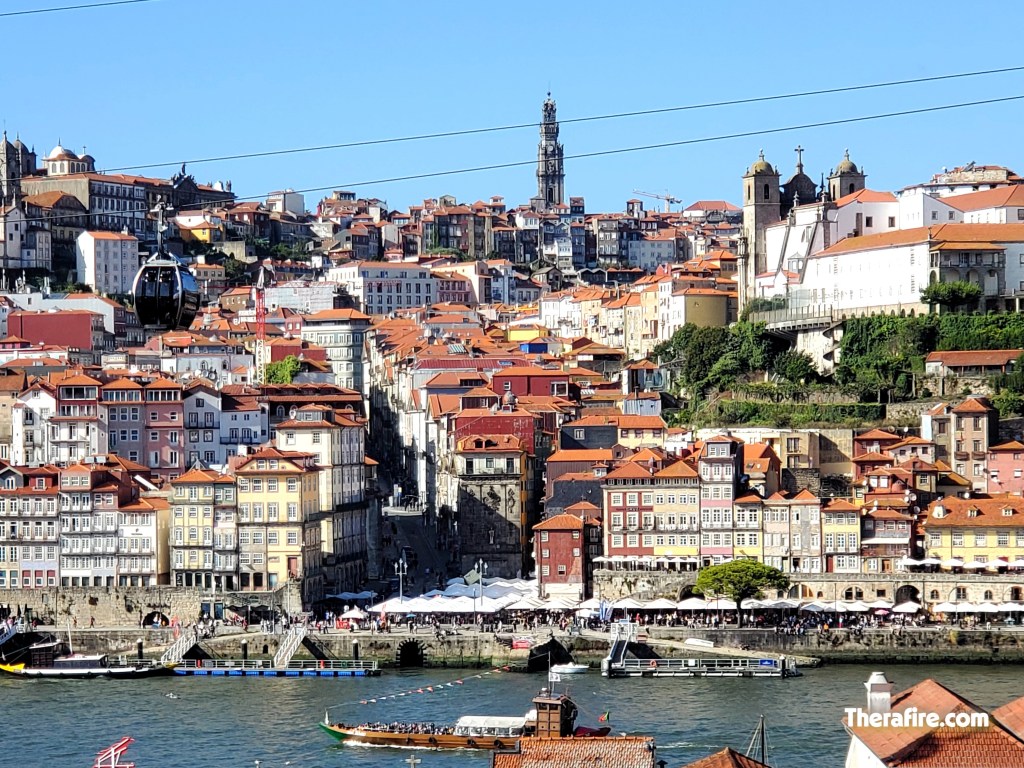
The slope naturally takes you to the Ribeira, the pulsating heart of Porto’s riverfront. This UNESCO World Heritage site is everything you imagine Porto to be – a chaotic yet captivating symphony of colorful, stacked houses with red-tiled roofs, narrow winding alleys, and lively riverside cafes. We spent hours simply soaking in the atmosphere, watching the traditional Rabelo boats that once transported Port wine barrels bobbing on the Douro, and getting lost in the commotion of the pop-up markets at the end of the massive Luis I bridge.

Hungry? Visit Porto Á Noite, a small restaurant tucked in one of Ribeira’s narrow streets. Lunch specials are 10 Euros, which includes a serving of soup, bread, coffee, a choice of main and sides, and wine. Delicious and budget-friendly!
The iconic Luís I Bridge dramatically spans the Douro, connecting Porto’s Ribeira with Vila Nova de Gaia on the south bank. Designed by a student of Gustave Eiffel, its intricate ironwork makes it an engineering marvel. We may have walked across its lower and upper decks a dozen times during our stay in Porto, marveling at the sheer scale of the structure and the panoramic views it offers.
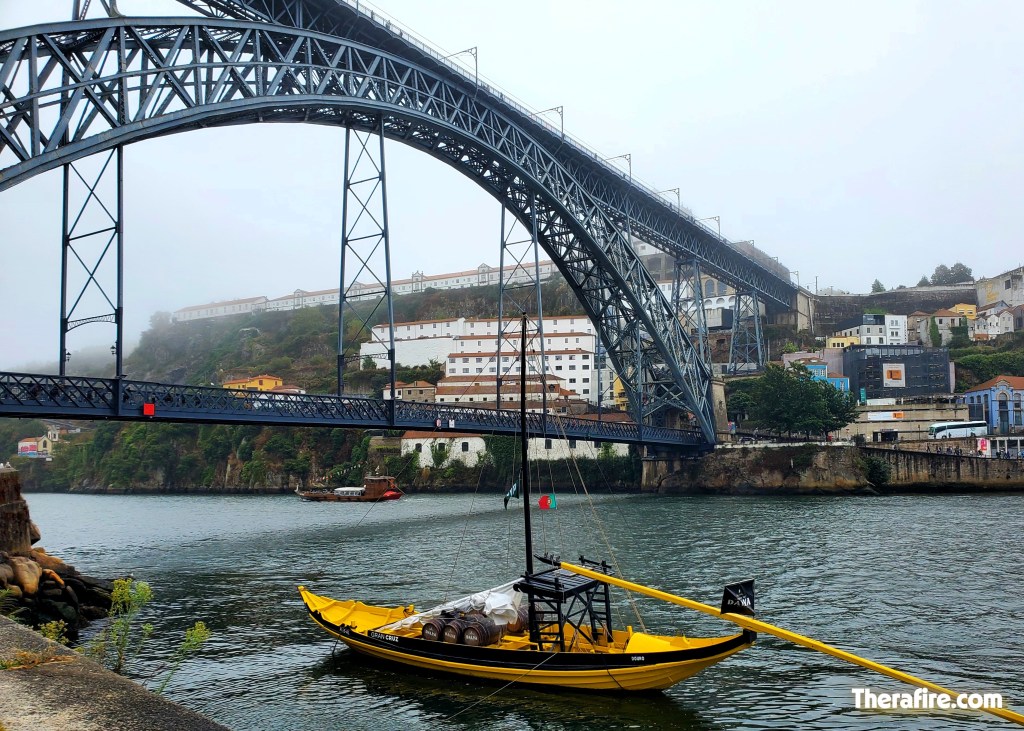
Stepping onto the south bank, we entered Vila Nova de Gaia, the home of Port wine. Wines must be aged and bottled here to be designated as “Port.” We toured one of these cellars, right at the end of the bridge’s bottom deck, which is the Burmester wine cellar. We learned about the fascinating history of Port wine production, from the Douro Valley vineyards to the aging process in these cool, dark cellars. The tasting session afterwards was, of course, a delightful highlight! Tours and tastings range from 18 to 30 Euros, depending on the type of tour.
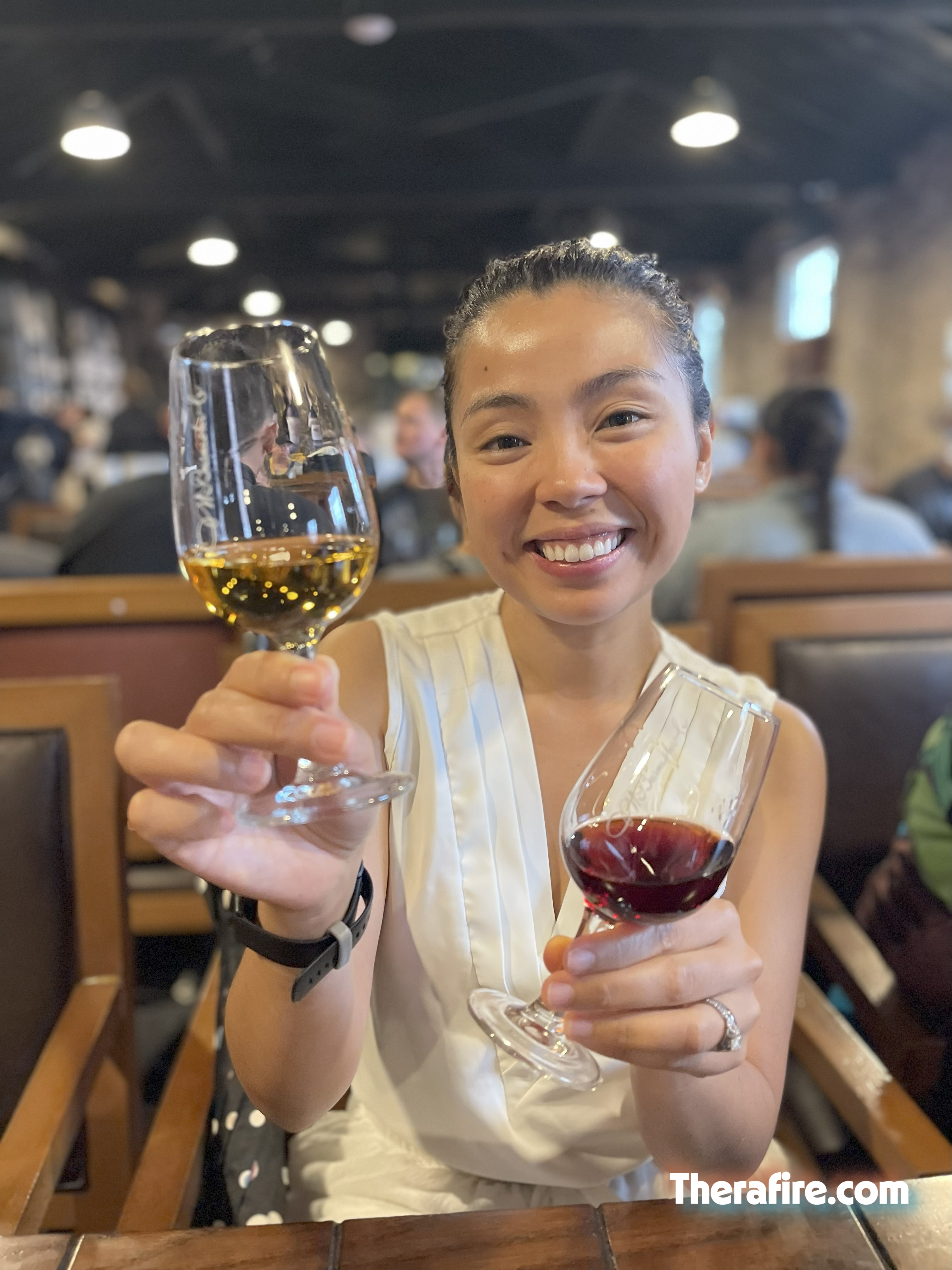
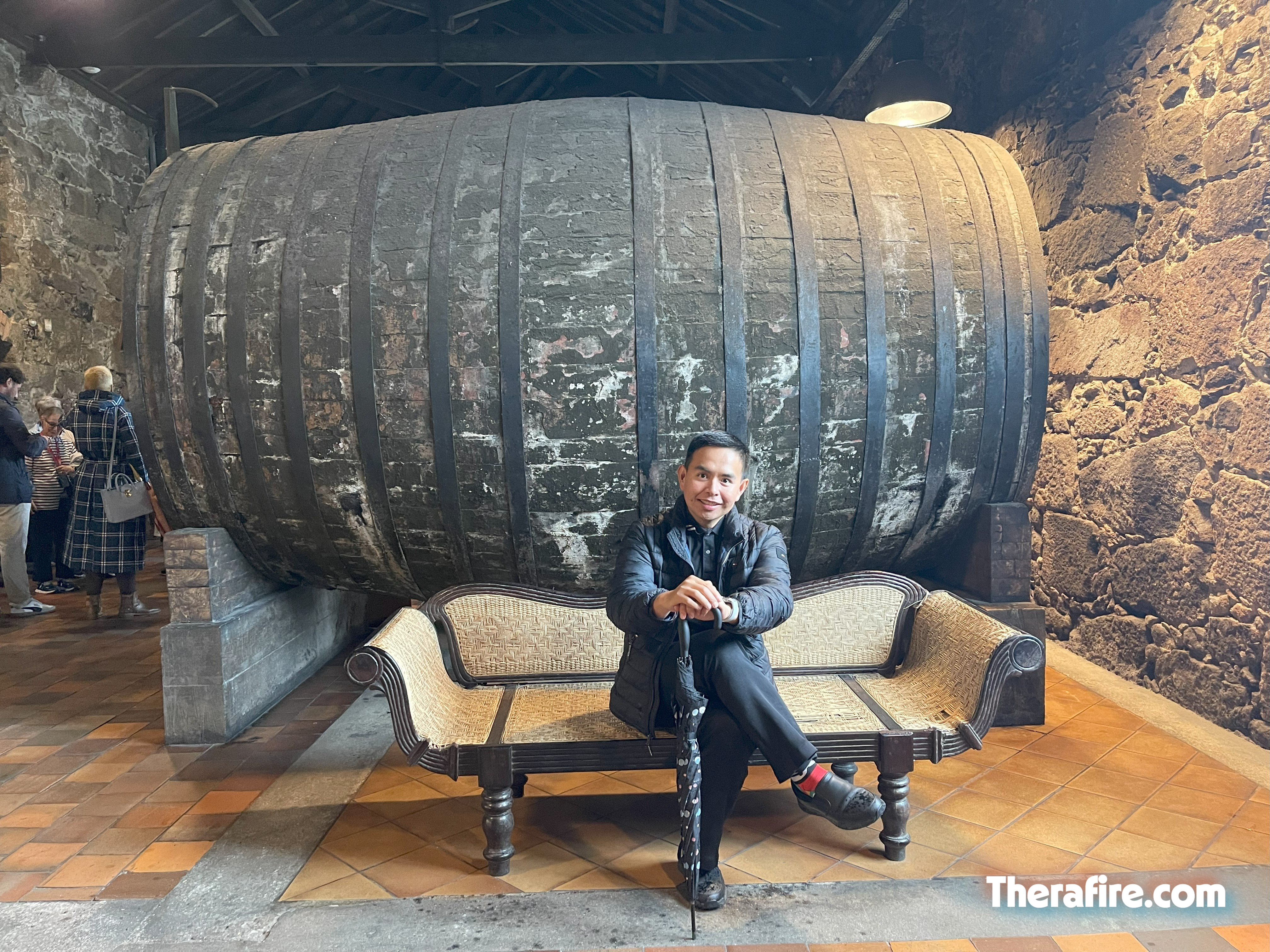
Vila Nova de Gaia offers not just wine, but incredible views and delightful treats. On this side of the river, you can appreciate the colorful houses on the Porto side of the bank more. The boats floating on the river and the whimsical stacked houses encapsulate Porto’s beauty and rich history. There are small parks, cafes, and restaurants on both sides of the street that are often packed with tourists throughout the day. The sidewalks are sometimes filled with locals peddling souvenirs or setting up shops under white tents, and street performers putting on a show for a few Euros.
Shortly before lunch hour, we couldn’t resist a visit to the Casa Portuguesa do Pastel de Bacalhau. This unique establishment is famous for one thing: a warm, crispy Pastel de Bacalhau (codfish cake) with a creamy Serra da Estrela cheese filling. It was a delightful, savory treat, paired perfectly with a glass of Port wine.
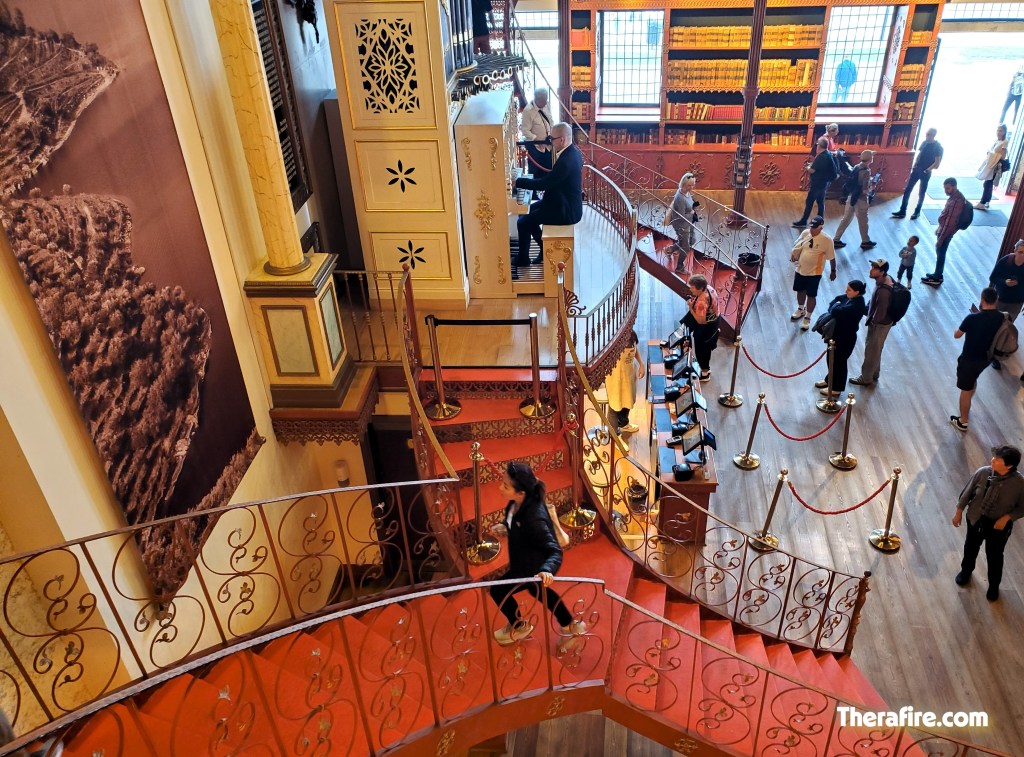
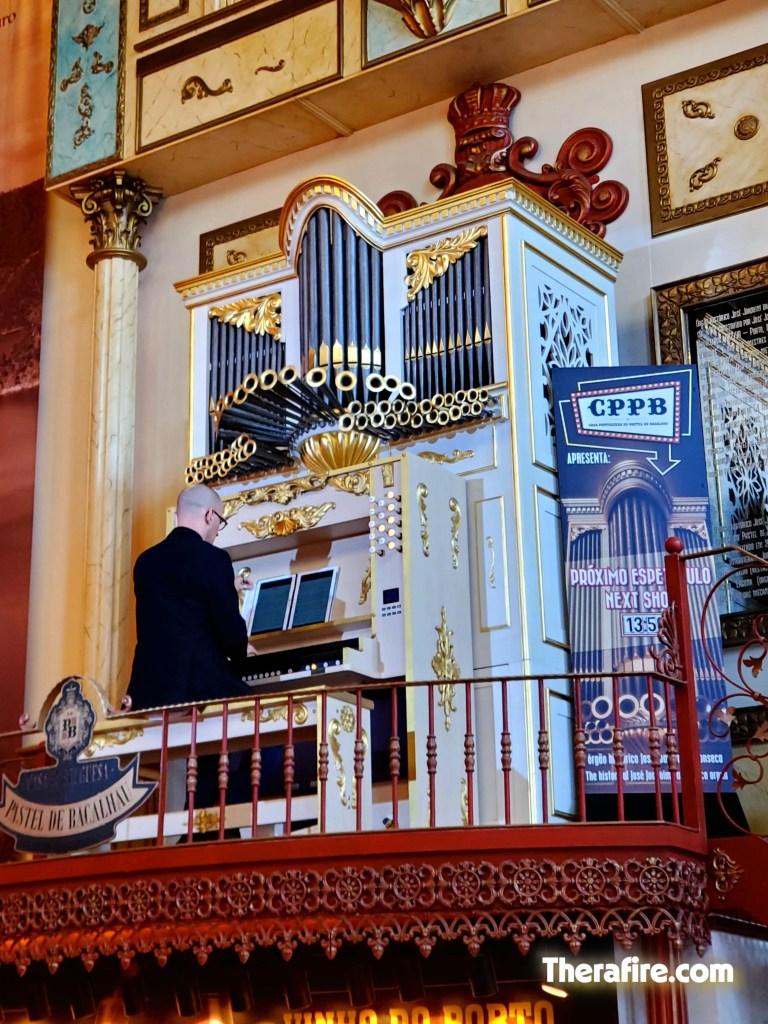
This location in Vila Nova de Gaia pays tribute to the shepherds who once supplied the cheese for the codfish cakes and the producers of Port wine in the region. The building is an immense open space with balconies on the side, accessed by grand staircases. It is reminiscent of an ancient study, with spines of old books decorating the walls, exposed beams, and a beautiful chandelier. A working, century-old piano serenades visitors at various times of the day, situated atop one of the staircases under the guidance of talented musician staff.

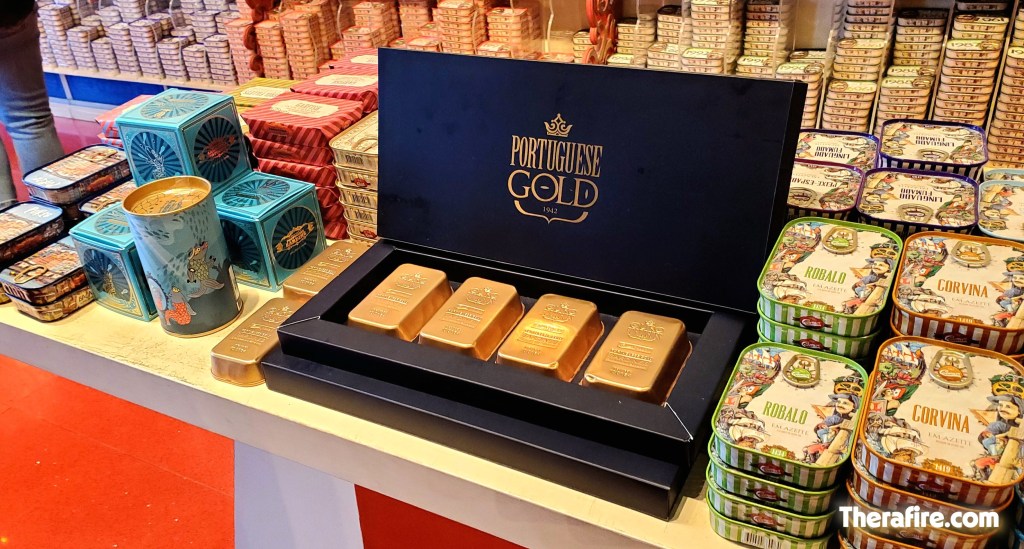
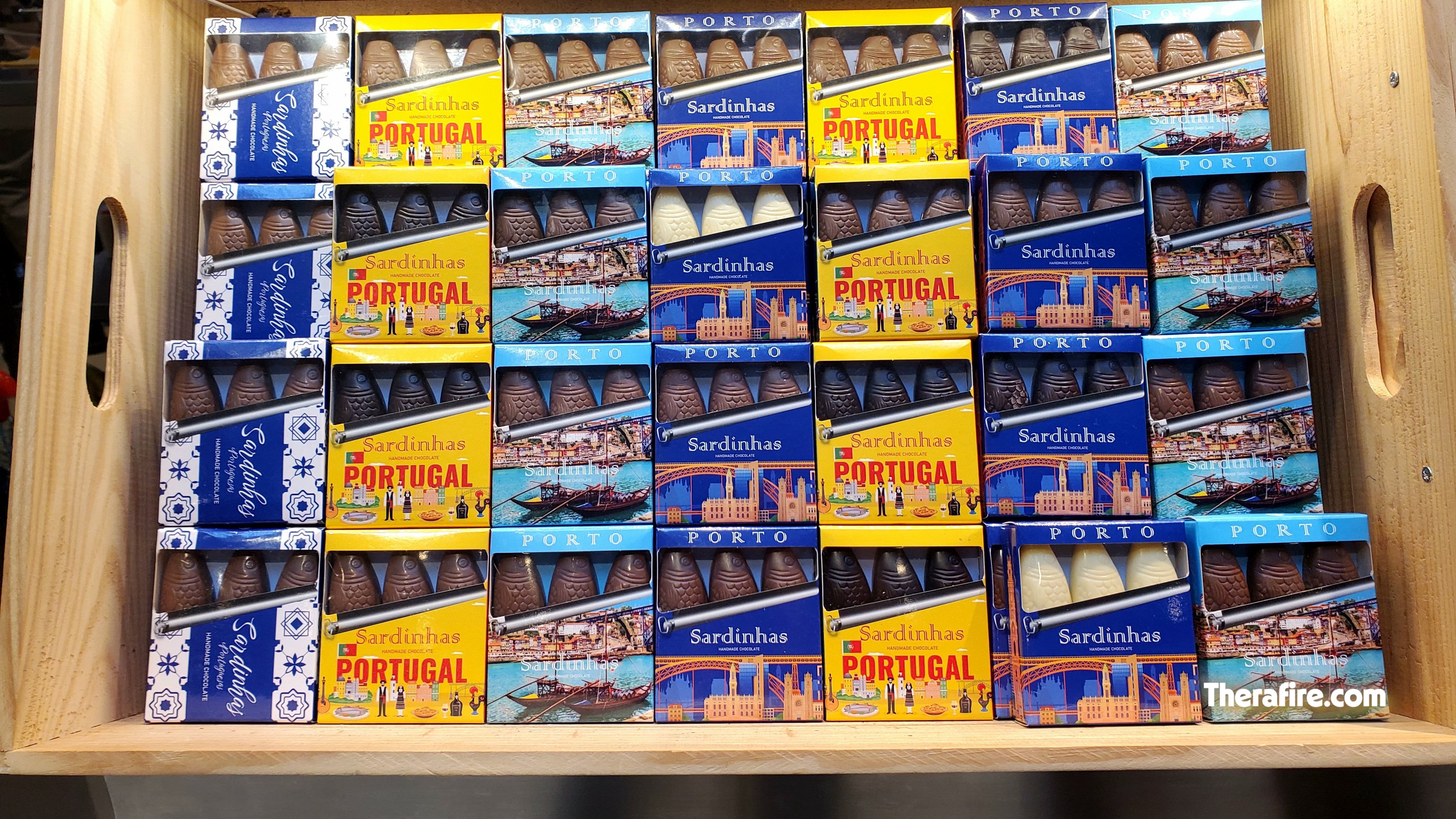
Another overly decorated building is The Fantastic World of Portuguese Sardines. As the name implies, the 2-floor block is dedicated only to Portuguese sardines. The walls are stacked from floor to ceiling with colorful tin cans, each promising an explosion of different flavors. I was reminded of the M&M store when I first entered, but instead of milk chocolate, fish! To me, their products are a bit pricey compared to grocery store brands. Although they offer more flavors and spices, and because the tins are playfully designed, they are perfect gifts even for non-sardine-loving friends.

Along the same riverfront is the Mercado Beira-Rio, a vibrant food market bursting with local produce, gourmet delights, and buzzing food stalls – a fantastic spot to sample more Portuguese flavors and soak in the local atmosphere. As part of yet another self-led food tasting tour, we tried a variety of cuisines. From Italian and vegan plates to seafood and burgers, you will surely have something to fill your appetite. There are multiple seating areas inside that surround a bar, where you can sample different kinds of beers on tap.


As part of our evolving tradition of cruising down mighty rivers in the cities we visit, we too embarked on a journey on the Douro River. We took the Six Bridges tour, which starts from Vila Nova de Gaia, and, as the name suggests, takes us beneath six iconic bridges that span the river. Since we were also in the mood for festivities, we booked a small party boat complete with onboard DJ, a bar, and space for some dancing. We had the chance to appreciate Porto, Vila Nova de Gaia, and the Douro River during our rest breaks between dances. Visit the Living Cruise website for more information.
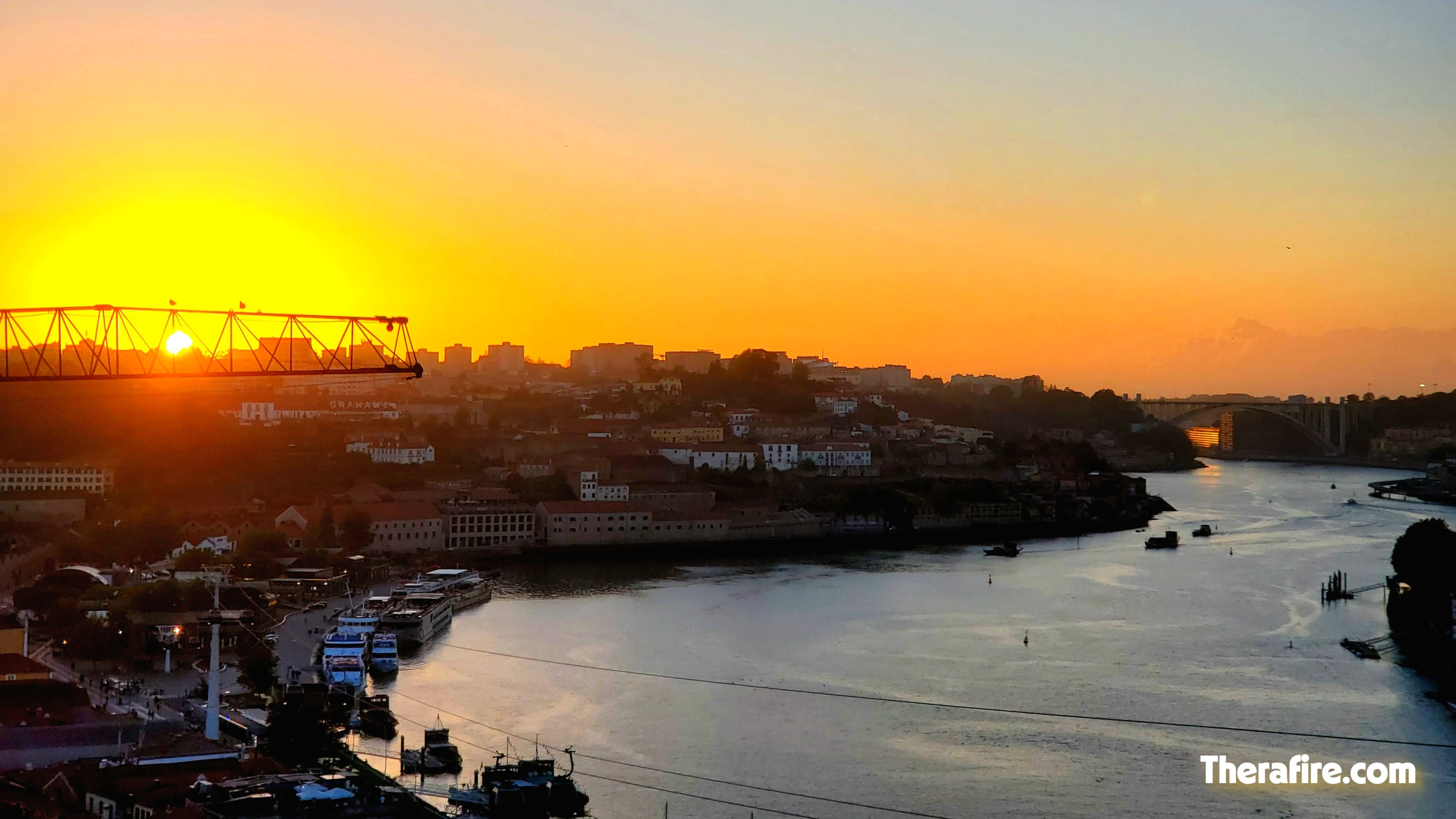
Most of our day in Porto culminated at the Jardim do Morro, a garden perched high above the river, offering some of the most breathtaking panoramic views of Porto, especially magical as the sun began to set. Porto boasts numerous beautiful viewpoints, but this is genuinely a postcard-perfect spot.

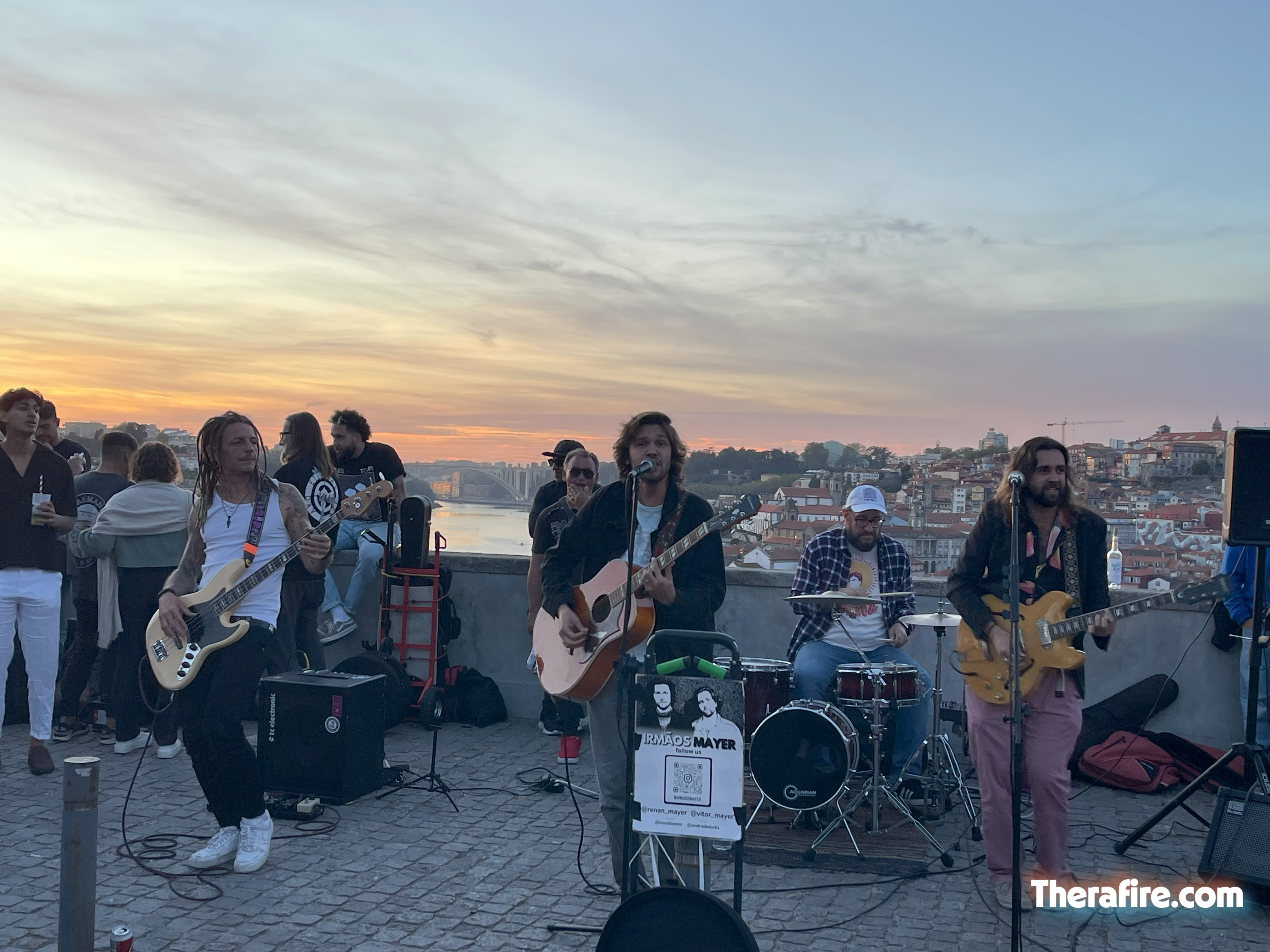
People from all over the city gather on the hill well before sunset. Standing beneath trees or sitting shoulder to shoulder on the lawn, relaxing from a day of work or touring, in anticipation of an incredible spectacle. Once the rays of the sun get swallowed by the Douro and buildings on the horizon, the crowd roars into a mighty applause—the conclusion of the day for us, but the start of evening festivities for others.
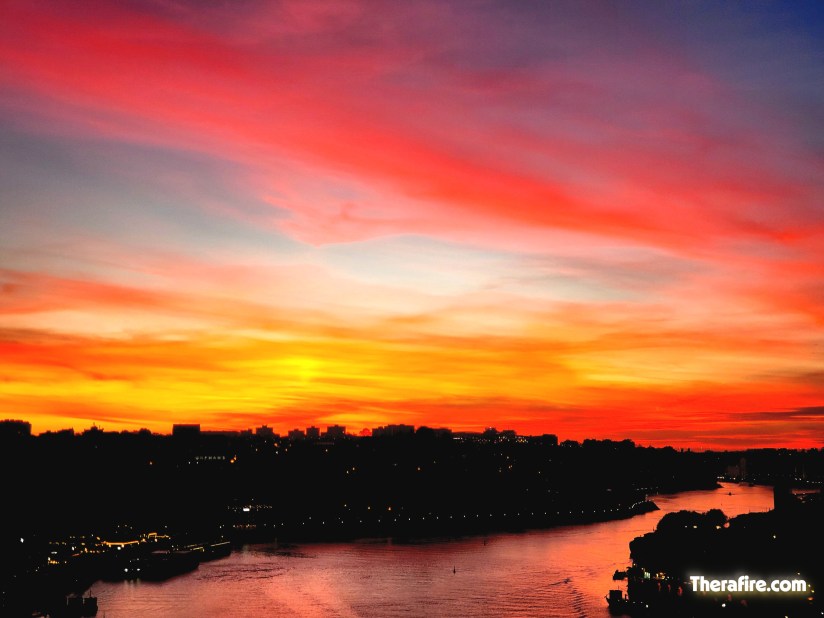
We went back home by crossing the top deck of Ponte Luis I. The sunsets viewed from the bridge are also impressive. The way the Douro River reflects the deep orange and fiery clouds swirling above is just magical to experience. Pedestrians share this walkway with the Porto Metro, but when crowds leave after watching the sunset, people spill over the railways. Stop, look, and listen as you pass by.
Our entire Porto trip amounted to the following:
- Accommodation: $530.00
- Meals: $470.00
- Transportation: $55.00
- Shopping: $110.00
- Tour Tickets: $160.00
The total cost for our 6-night stay was $1,325.00, which was made possible by staying about a 20-minute walk from the city center and making grocery runs on our way back to our apartment. Getting lost in Porto’s narrow streets and consuming our share of local sardines went a long way.


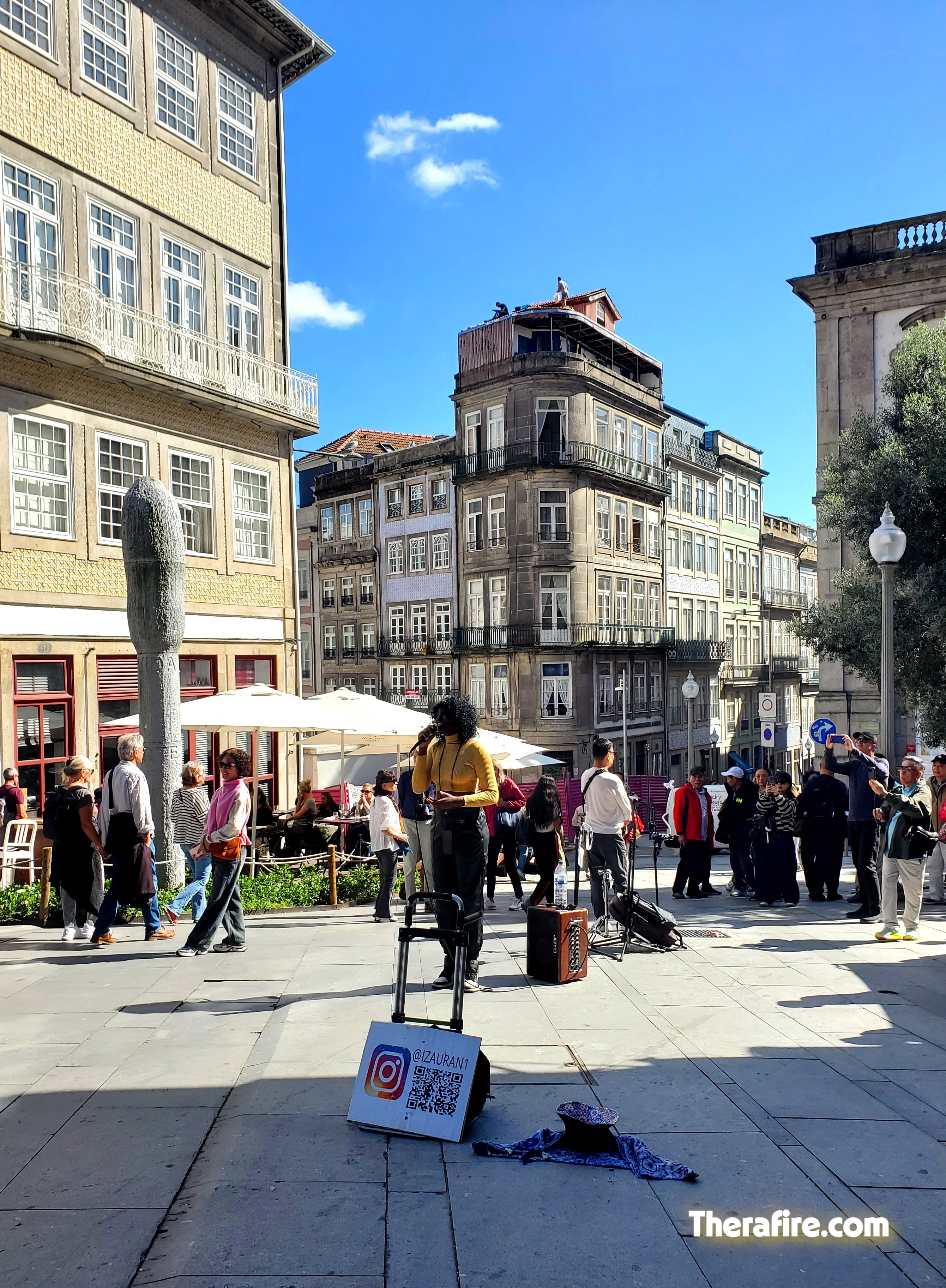

Porto captivated us with its unique rhythm and timeless charm. This city, a tapestry of history, art, and daily life played out on its hillsides, offers so much to discover. Remarkably, we managed to immerse ourselves deeply in its beauty and traditions without significantly depleting our budget. What will your visit to Porto look like? Did we miss any hidden gems? We hope your visit to Porto will be even more amazing!
Trial Retirements are periods we dedicate to travel to beautiful countries to know if they are perfect for us when we eventually retire. The time spent outside work will preview our habits and behaviors when we reach Financial Independence and, of course, our way to recharge after months of hard work.
Anything we missed? Questions? Violent reactions? Let us know in the comments below!
Check out our trial retirements in Mexico, Costa Rica, and Peru! You can also follow our week-long adventure in Paris. Subscribe and follow TheraFIRE on our social media!
 TheraFIRE