
With excitement clear in our eyes, we emerged from a bus ride from Malaga that took almost 2 hours across the beautiful Andalusian landscapes. The Granada Estación de Autobuses was incredibly busy when we arrived late in the morning. We saw wide-eyed tourists like us with hefty backpacks and suitcases trying to catch the next local bus to the city center. We hobbled across the station into the main street and followed a couple with huge suitcases onto the next bus. After 10 minutes aboard the 33 Bus, the spires of the Royal Chapel became visible from the bus windows.

- 2 Round-Trip Bus from Malaga to Granada: $65.00
- One-way local bus in Granada: ~$2.00
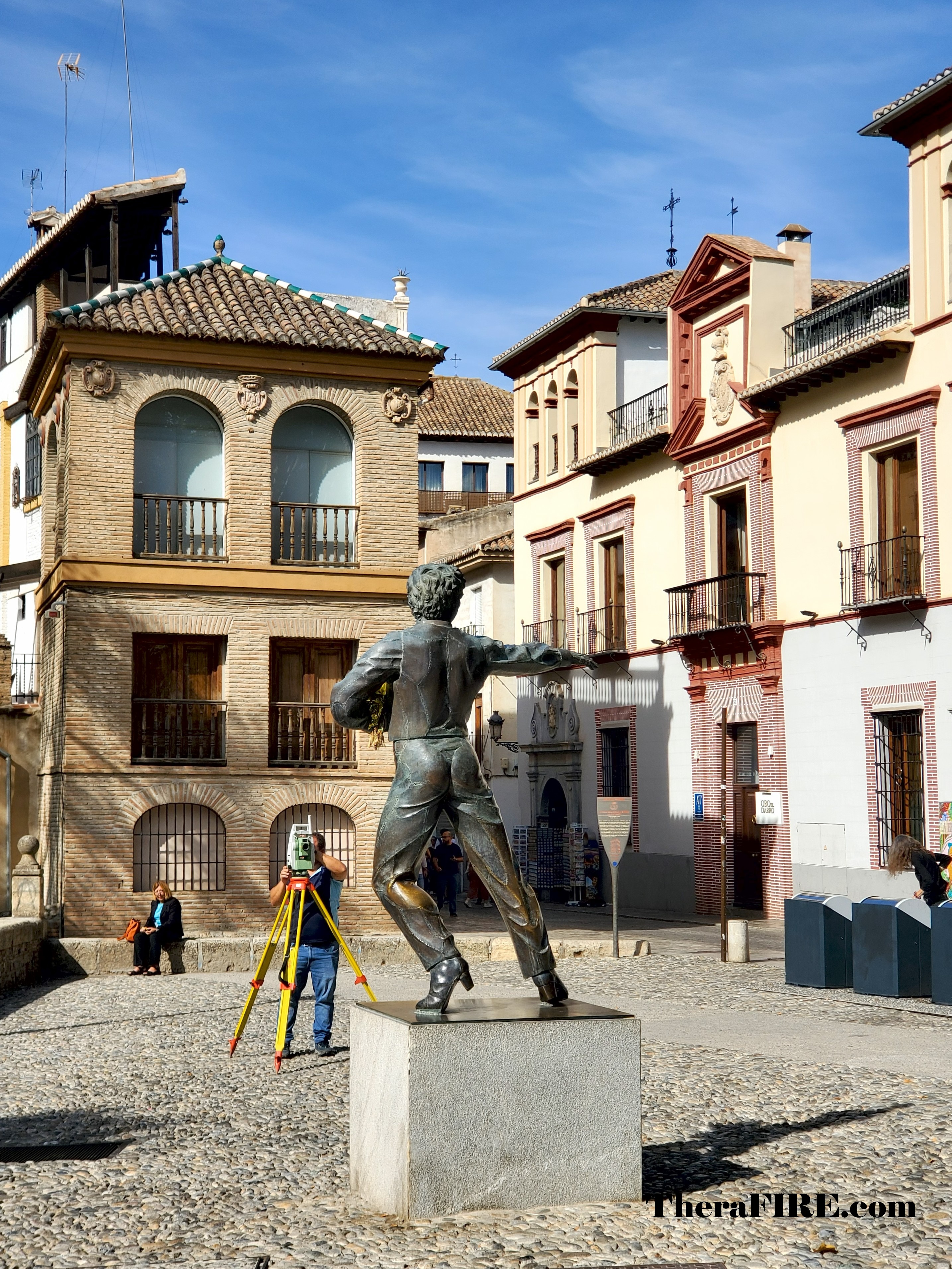
Granada’s Historic Center, bathed in the morning sun, was opulent and amicable at the same time. Surrounding the Royal Chapel and Cathedral complex are mazes of cobblestone streets with cafes, restaurants, and ancient Arab Bazaars. We unwrapped our packed lunch and take-out coffee in the Plaza de la Romanilla, a tranquil square tucked away behind the main facade of the Granada Cathedral. A notable feature of the square is the Aguador, a statue honoring the traditional water carriers of Granada.
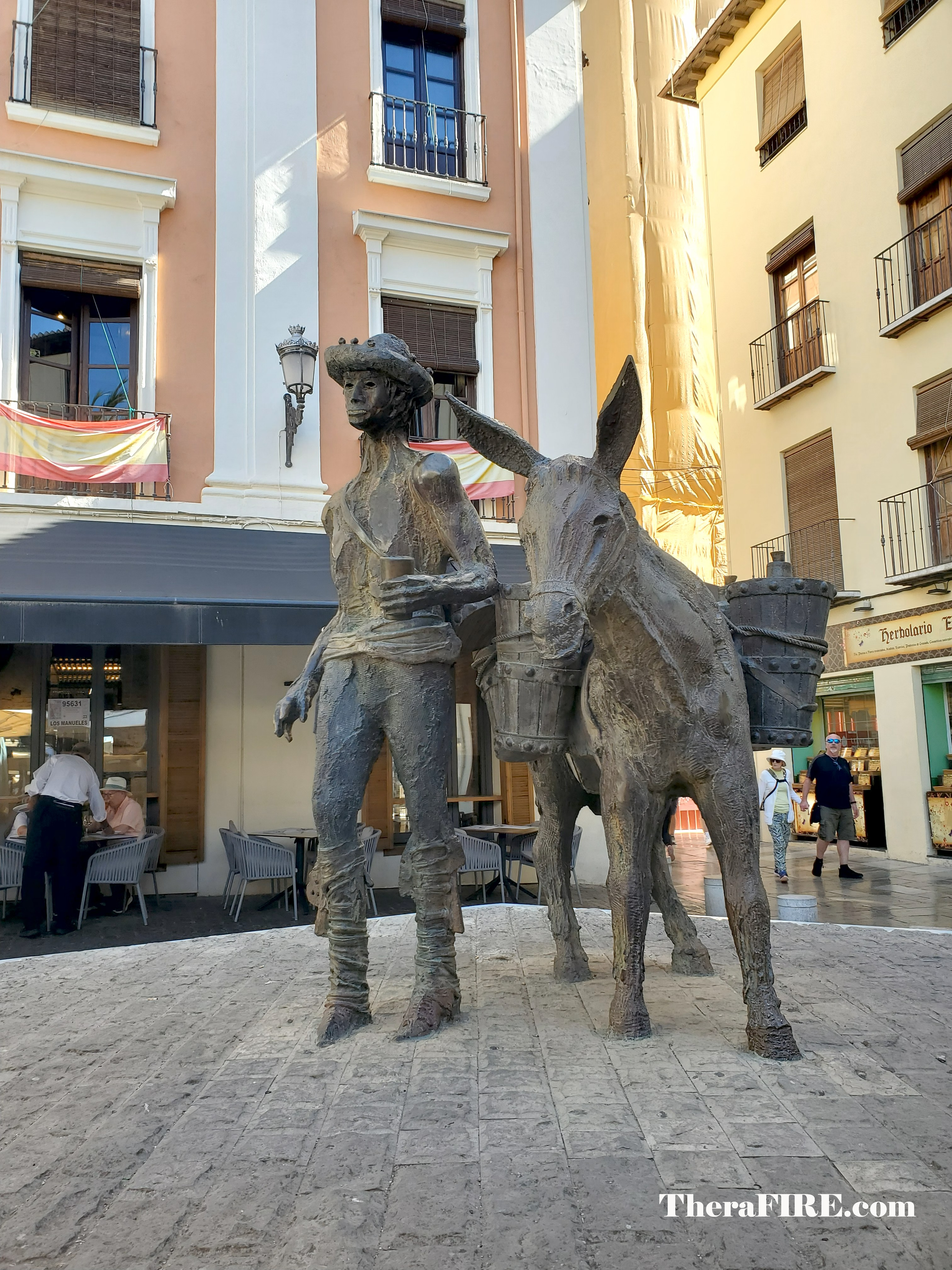
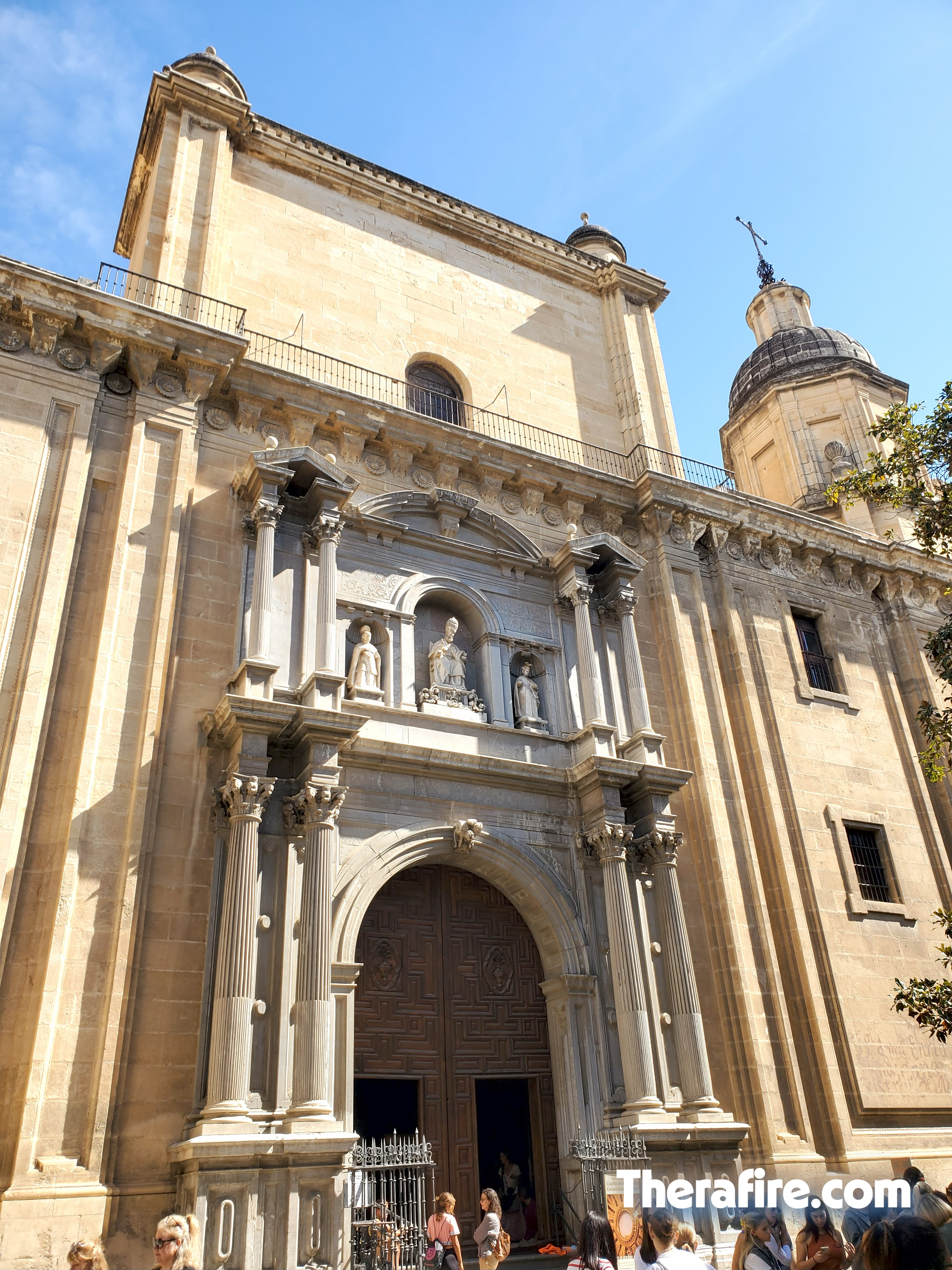
While the city is still waking up, the plaza’s serene atmosphere with the view of the cathedral’s dome and buttresses made it a perfect place to rest from our journey and reflect on our next 48 hours in the city.
The history of Granada is a captivating story of shifting powers and cultures blending. Founded by the native Iberian tribes, it then became a municipality of the Roman Empire. The area was conquered again and rose to prominence as the capital of a Moorish kingdom. For centuries, it was a major center of Islamic culture, culminating in the construction of the magnificent Alhambra. The city’s golden age came to an end in 1492, when it was the last city in Spain to fall to the Catholic monarchs, marking the end of the Reconquista. This rich past has left an indelible mark on Granada, visible in its stunning architecture, winding streets, and unique cultural identity.
We had a couple of hours before our Arab Baths and massage appointment, so we ambled around to immerse ourselves in the sights and sounds of Granada. There is no better place to make this happen than the Alcaicería, Granada’s old Moorish silk market. It is a network of narrow, labyrinthine alleys that will transport you to another time and place.
Originally a vibrant Arab souk, the entire area was rebuilt in a style that is reminiscent of a 19th-century version of a traditional bazaar. Today, the Alcaicería is a sensory overload of colorful shops selling everything from spices and teas to handcrafted items, silks, and intricate lamps. We eventually got persuaded into buying local art and a couple of leather bags towards the end of the trip.
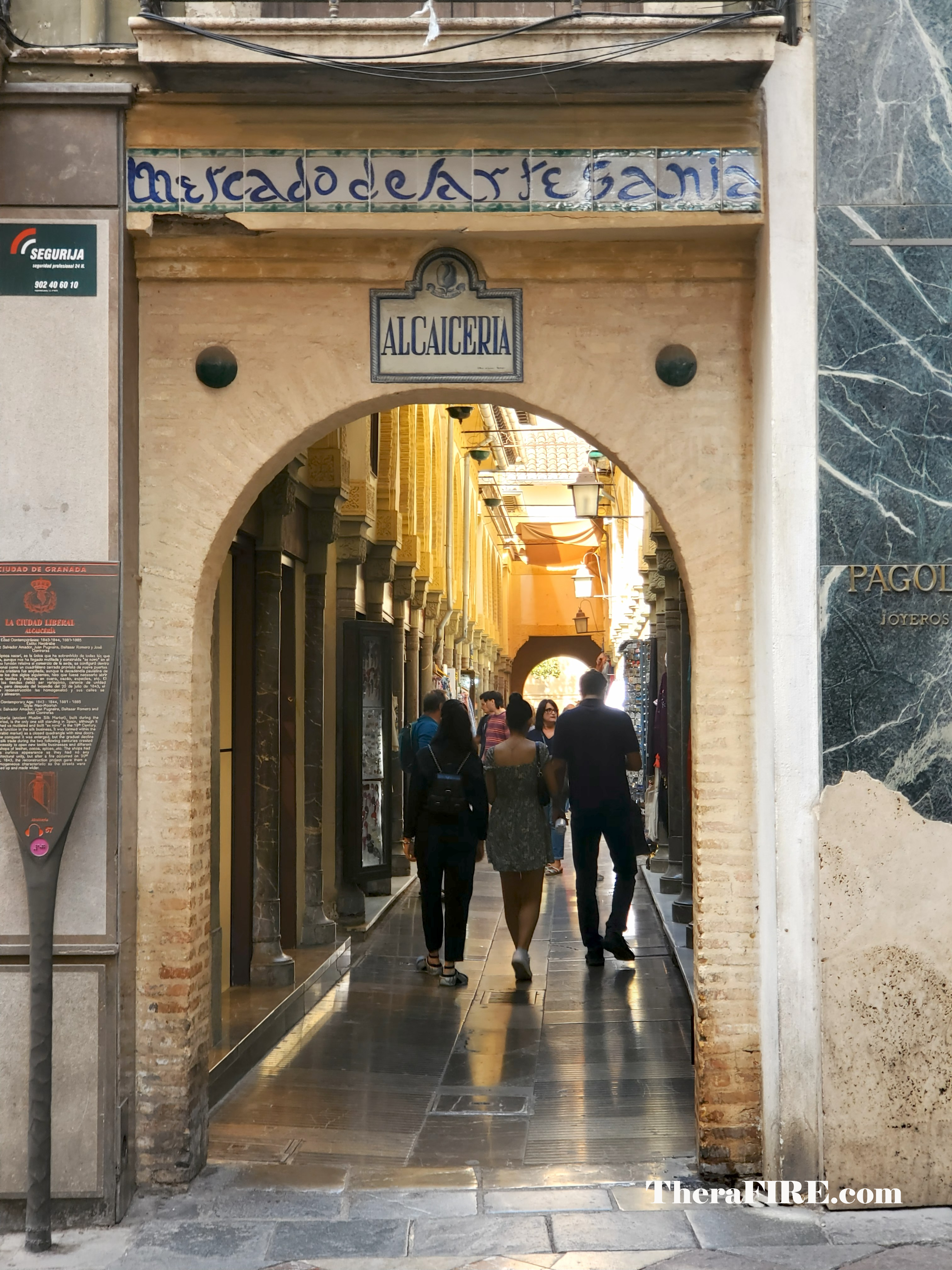
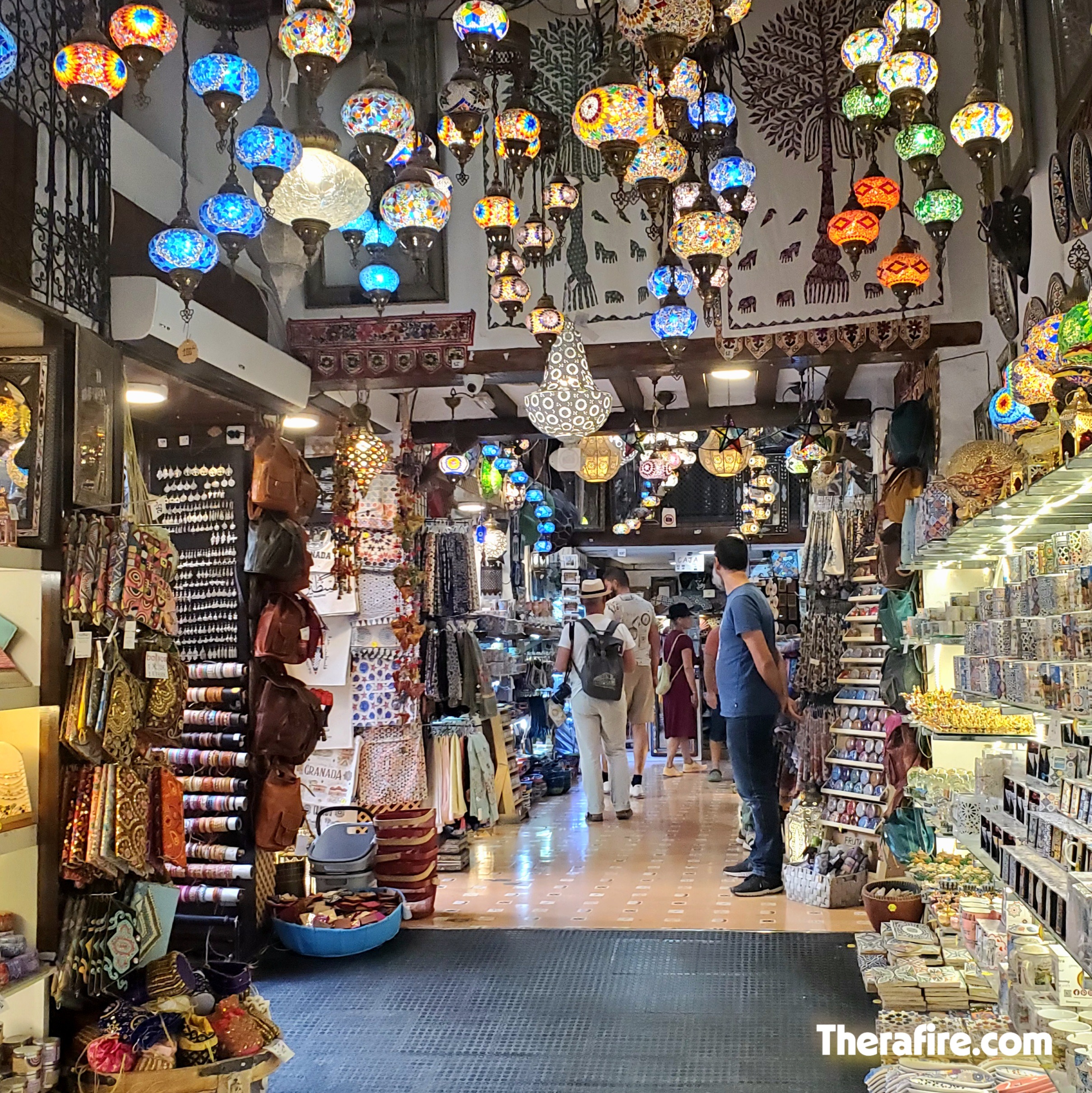
1 Local Art and 2 Leather Bags: $165.00
As our afternoon Arab Bath appointment approached, we made our way to the Hammam Al Ándalus, a traditional Arab bathhouse along the Darro River. We absolutely loved the experience of this modern bathhouse, which had recently reopened after centuries of closure. We opted for the Mimma session, a package that includes a relaxing massage and full access to all thermal baths.
Obviously, photography is not allowed inside the baths, but the candlelit atmosphere, gentle music, and architecture recreating the ambiance of the original Arab baths provided a perfect setting for relaxation. We moved freely between the warm, hot, and cold pools, enjoying a steam room while sipping mint tea in the relaxation area. Feeling completely rejuvenated, we hiked up the steep hills of Albaicín in search of our hotel.

2 Relaxing 45-minute massage and full access to Arab Baths: $185.00
*Please note that the links I’ve included in this article are provided solely for your convenience and to provide helpful resources. We are not affiliated with, nor do we receive any payment or commission from these sites.
The Albaicín is the city’s old Arab quarter, characterized by its labyrinth of narrow, winding, cobblestone streets that seem to climb and descend the hillside unpredictably. Small buses roll down the skinny roads that sharply turn at a moment’s notice.
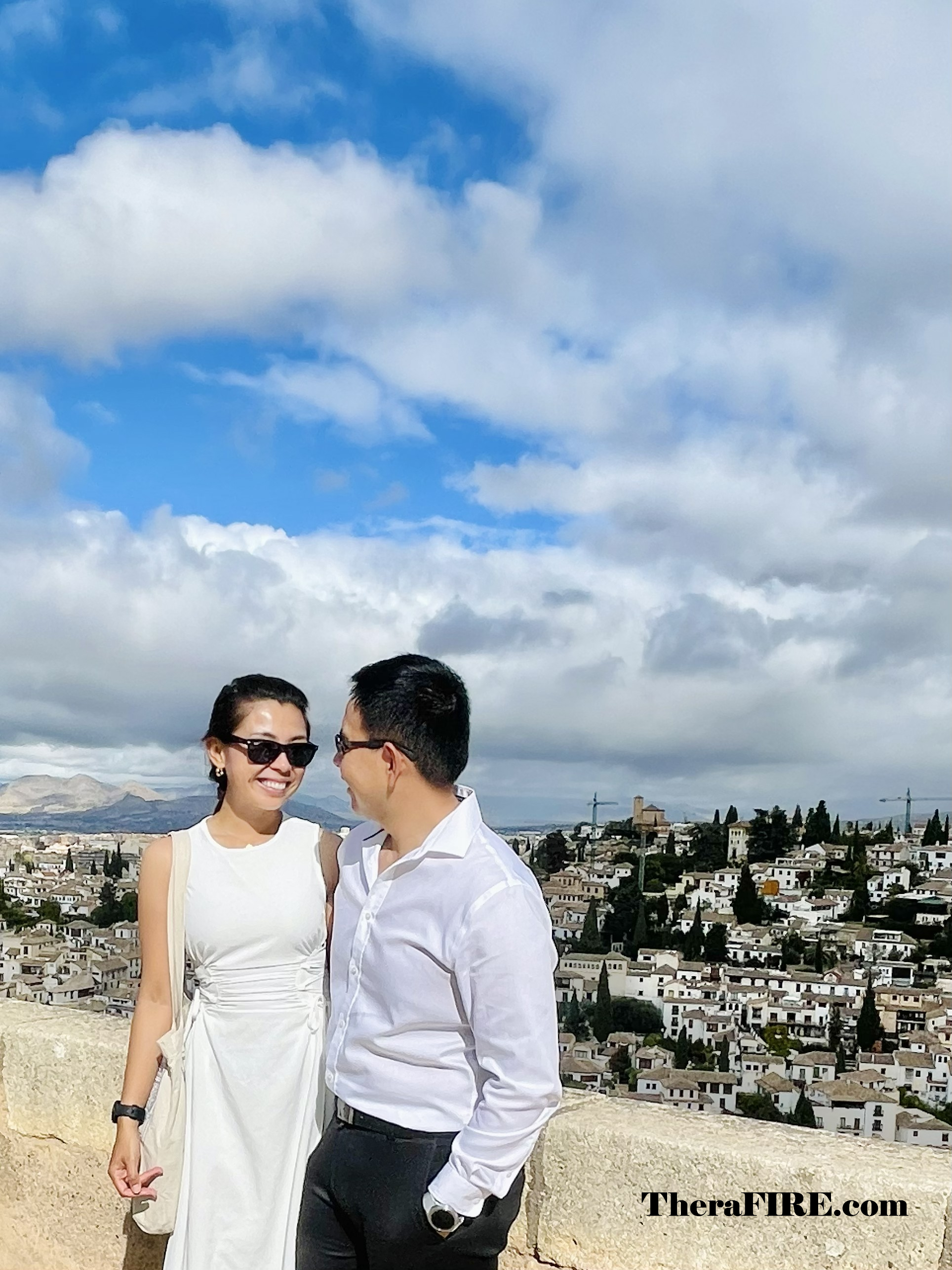

The neighborhood’s architecture is known for its beautiful, whitewashed houses with red-tiled roofs and traditional enclosed gardens. What fascinates us about this neighborhood is its carefree, relaxed atmosphere. While not as busy as the center of Granada, there are also tapas bars, cafes, local groceries, and small artisan shops for one to explore.
Airbnb 2-Night Stay: $145.00
One of the main draws of Albaicín is its stunning surroundings and the breathtaking views it offers. From its many small plazas and viewpoints, you can find spectacular panoramic views of the magnificent Alhambra Palace. One of these viewpoints will be the Mirador de San Nicolás. From there, we took dozens of photos of the exquisite Alhambra against the backdrop of the majestic Sierra Nevada mountains. At sunset, people gather in front of the Iglesia de San Nicolás, which attracts street performers playing music for a few Euros. All eyes are glued to the ancient palace as it turns into a golden citadel floating in Granada’s evening skies.

Our cultural immersion wouldn’t have been complete without experiencing a flamenco show. We chose to see the highly talented performers at the Tablao Jardines de Zoraya, a renowned venue in the heart of the Albaicín. The show was a powerful demonstration of Flamenco, which UNESCO recognizes as an Intangible Cultural Heritage of Humanity.
We were captivated by the passionate singing, the guitar playing, and the intricate, rhythmic dancing. The dancers deployed the infamous footwork, hand-clapping, and expressive movements to convey a wide range of emotions woven into the music. It was a spontaneous, moving exchange between the artists, and a performance that left us in a swirl of emotions.

Reservations are needed to secure spots around the stage on performance days. Food and drinks can be served while you watch the show, but the staff requires that orders be placed before the show begins. The place is just cozy enough that you experience Flamenco intimately from anywhere in the room.
2 Flamenco Show Ticket: $58.00
After a day of relaxation and cultural immersion in the Albaicín neighborhood, our highly anticipated visit to the Alhambra came. No single word can truly capture the feeling of seeing the palace-fortress for the first time. A UNESCO World Heritage Site, it stands as a testament to the sophistication and grandeur of the Nasrid dynasty, the last Moorish rulers of Spain. Our visit was an immersive journey into a living masterpiece, where every courtyard, archway, and garden tells a story centuries in the making.
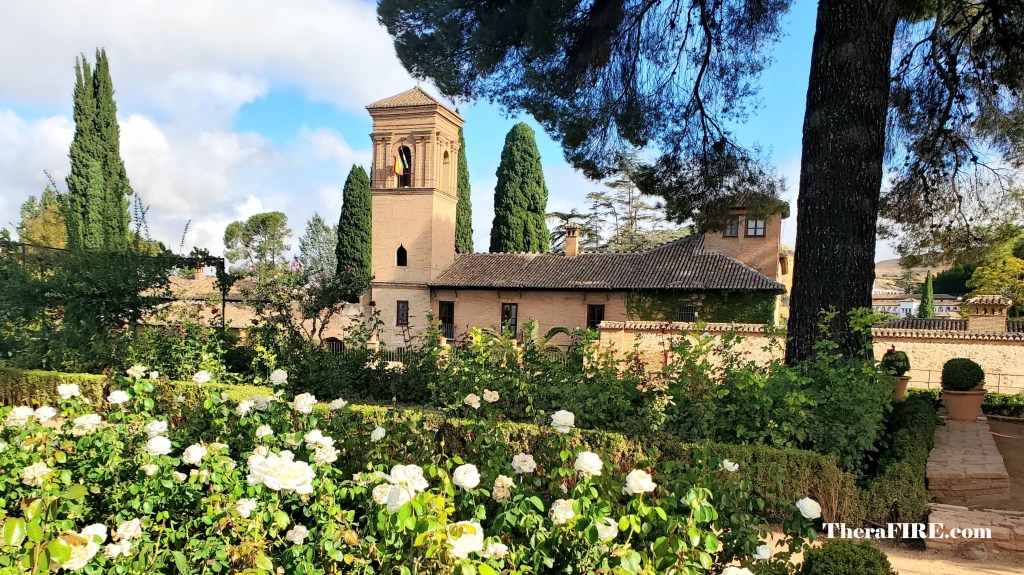
The Alhambra General Ticket is a comprehensive way to visit the complex. It provides access to all the main areas, including the stunning Nasrid Palaces, the Alcazaba fortress, and the Generalife Gardens. It is crucial to purchase tickets well in advance, as tickets often sell out weeks or even months in advance. When you book, you must choose a specific time slot for entering the Nasrid Palaces, and you must be there at the allotted time to guarantee entry.


2 Alhambra General Ticket: $52.00
Our journey through this vast complex began with a leisurely walk across beautiful garden complexes punctuated by ruins of old Moorish structures. During our visit, colorful flowers were scattered across manicured landscapes. Vegetation surrounded ancient pillars, and water fountains danced in the comforting Andalusian breeze. It was an experience I imagined to be a daily occurrence for the nobles who walked these paths.

West of the greenery is the Palacio de Carlos V, a striking structure that is an example of Spanish Renaissance architecture. Commissioned by Emperor Charles V, it served as his royal residence, a symbolic gesture of Christian power built right within the conquered Moorish fortress. Although it is a perfect square from the outside, it has a stunning circular courtyard that features immense space.

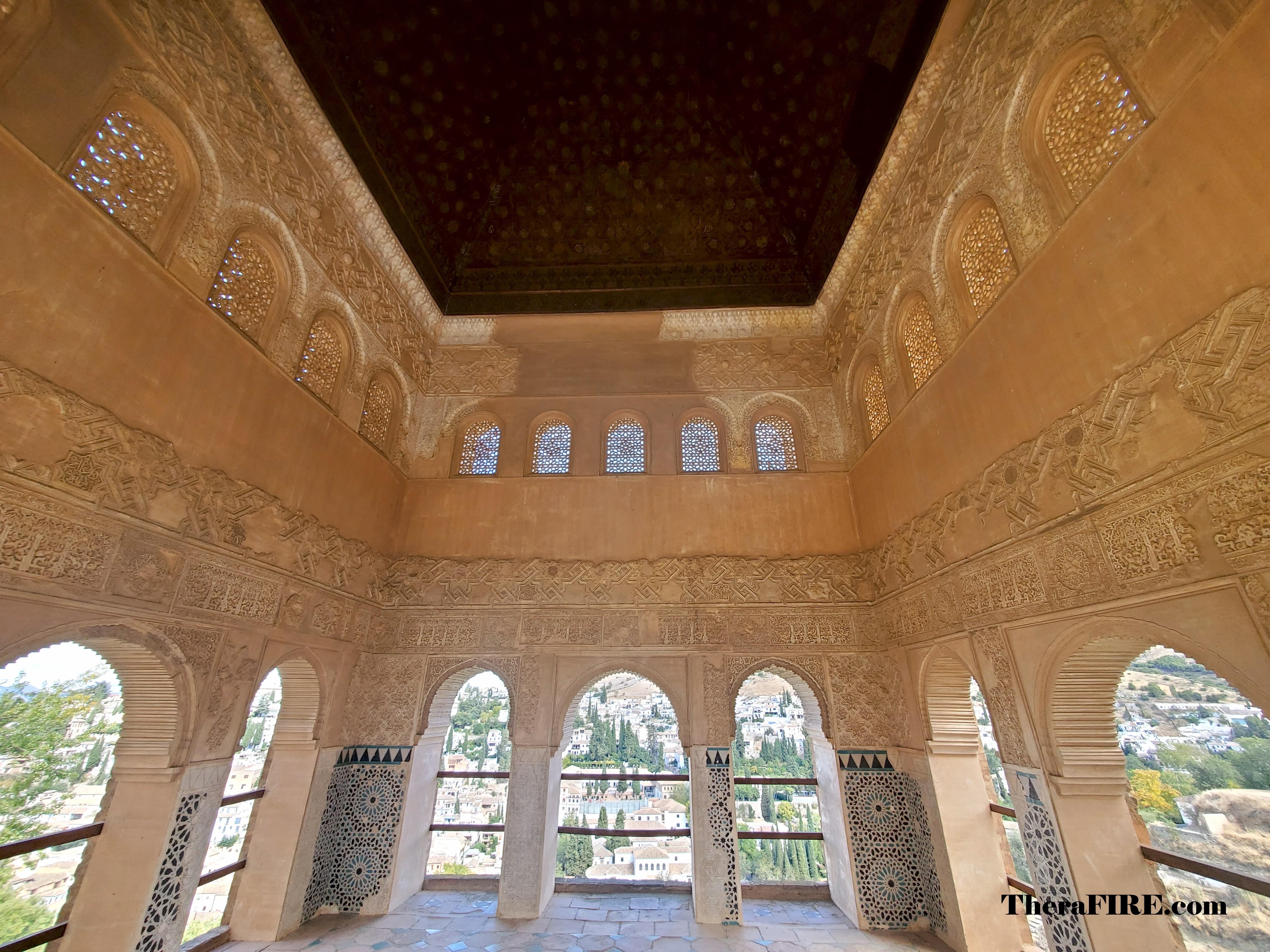
East of the palace is the El Partal, a peaceful area with a series of serene reflecting pools and manicured gardens. It was such a treat to look at the intricate designs etched on the walls of Torre de las Damas. The elaborate windows channel the afternoon breeze and frame incredible views of the Albaicín perfectly.
We continued our tour to the Alcazaba, the oldest part of the Alhambra. As we explored this military fortress, with its imposing stone watchtowers and worn-down walls, we imagined the lives of soldiers and families who used to call this fortress home. We climbed its battlements to see breathtaking views of the city of Granada and the surrounding mountains, a powerful reminder of the Alhambra’s strategic location.
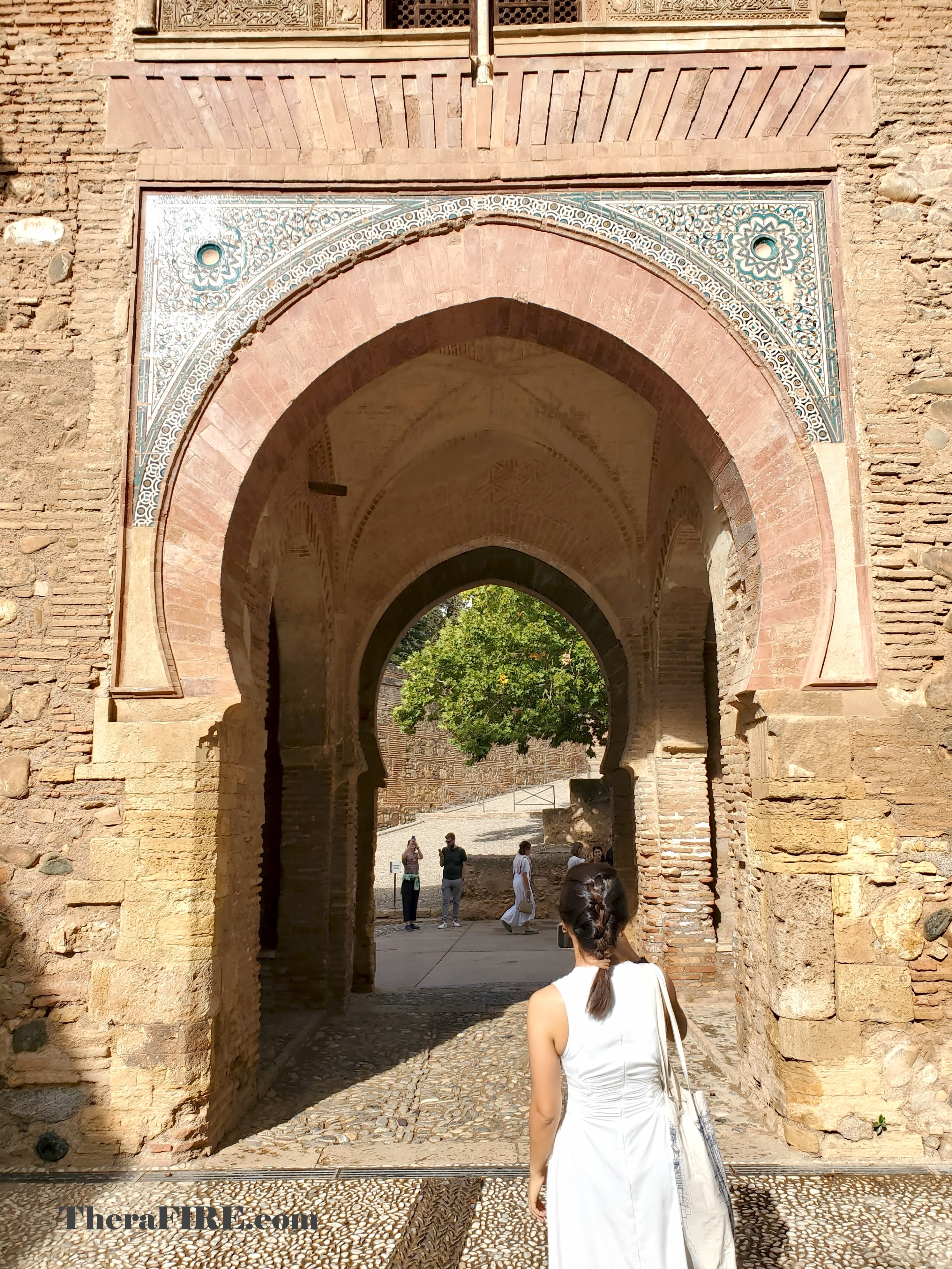

After a few hours in the complex, we went back to the city to grab lunch. It was not ideal, but our appointment to enter the Nasrid Palace was not until 7:00 pm that evening, so we thought it best to return to Alhambra later in the day.


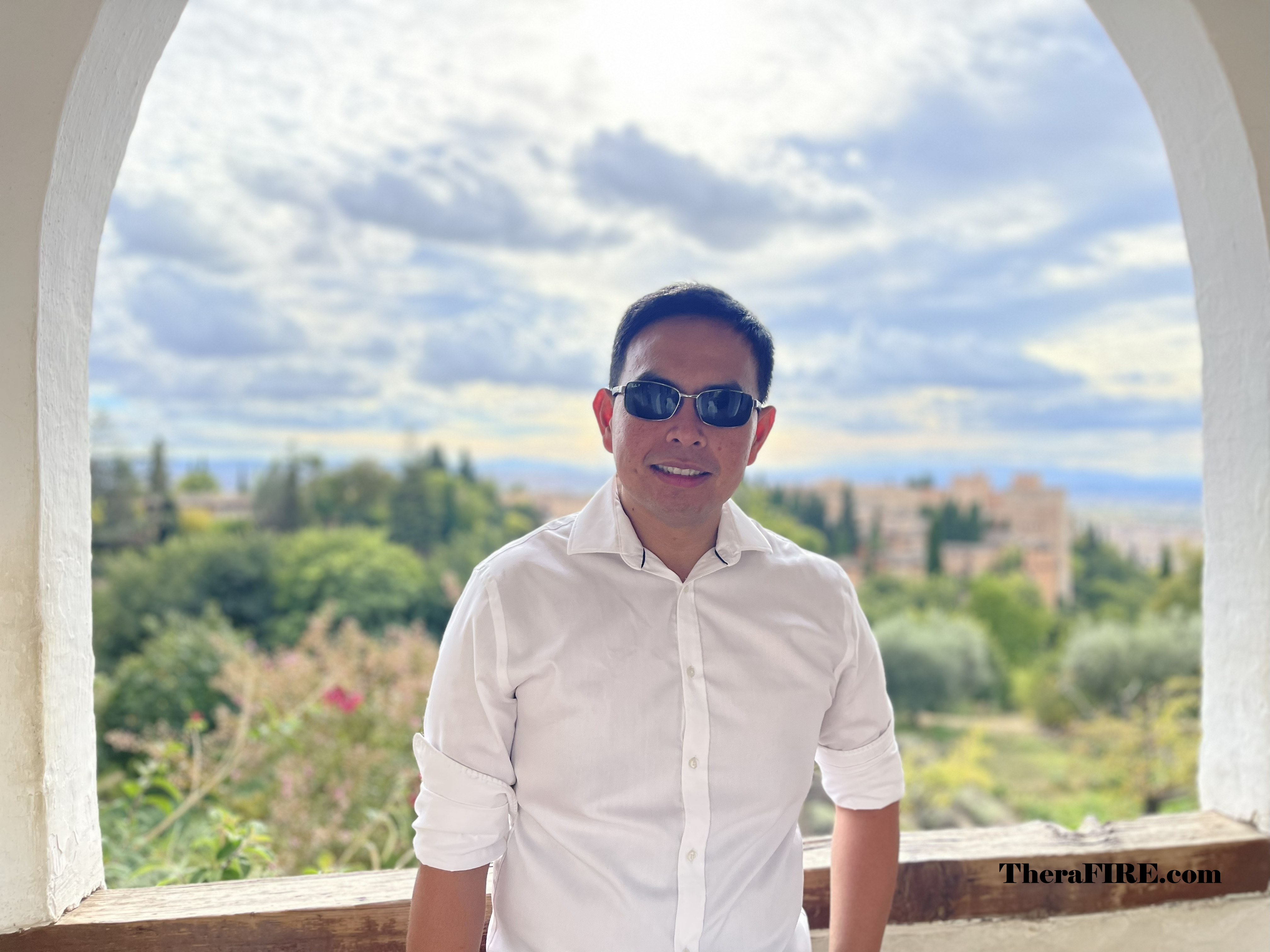
The second half of our Alhambra tour began in the Jardines del Generalife, a separate palace and garden complex designed as the summer home for the Nasrid rulers. It’s an extravagant oasis, built with cascading water features, beautiful courtyards, and lush greenery that served as a retreat for the elite.
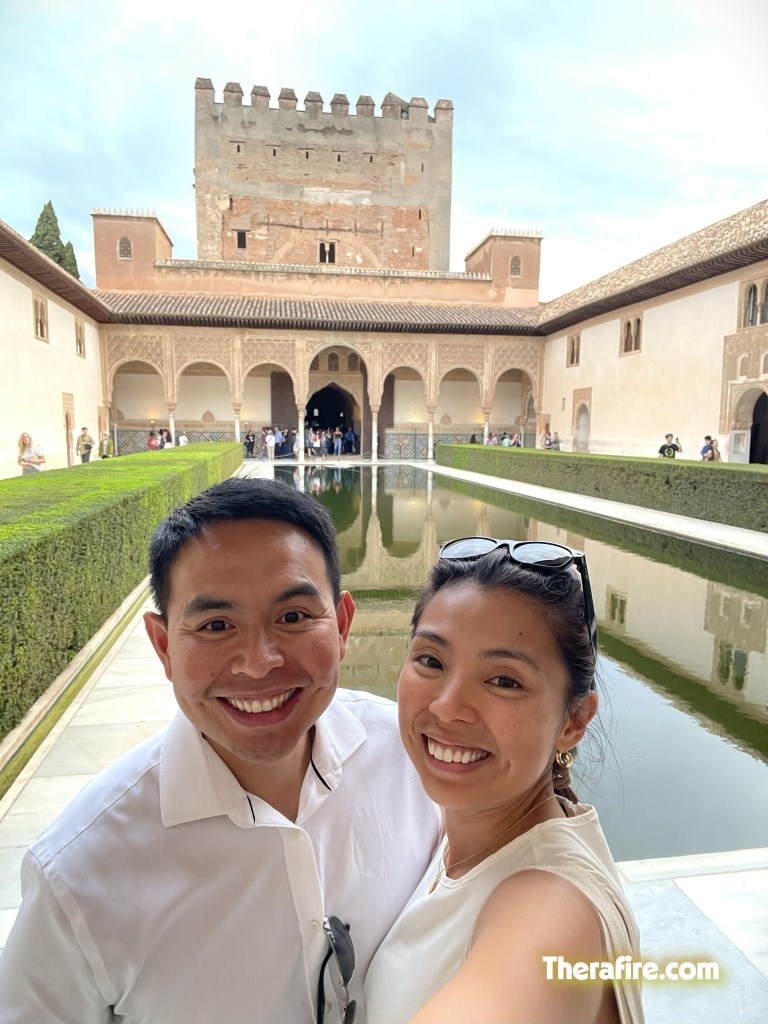
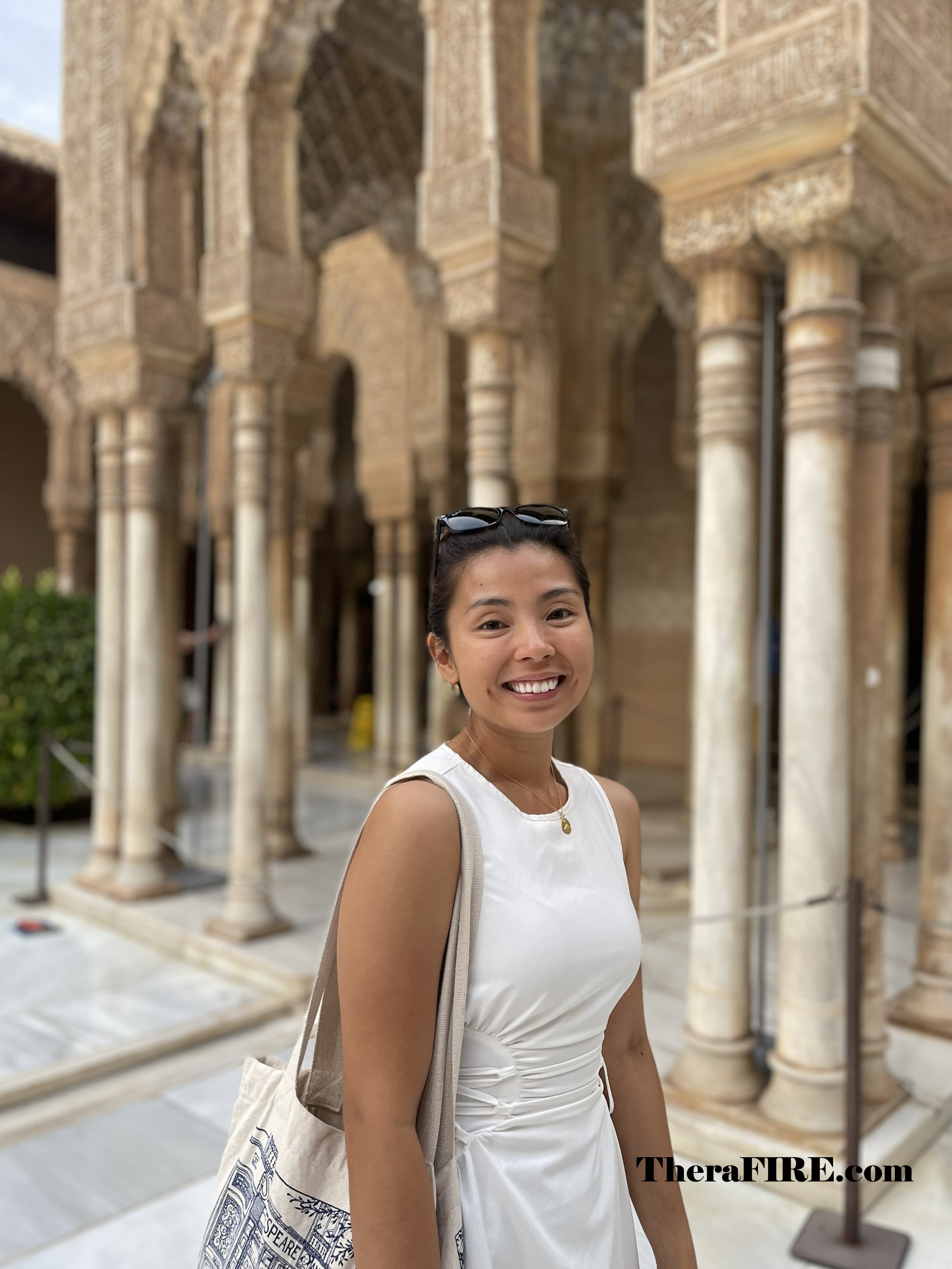
Just as the sun was beginning to set, we entered the Palacios Nazaríes. This is the most famous and artistically significant part of the Alhambra. We were mesmerized by the intricate details of the delicate stucco carvings, which resemble pages of an ancient text. The mesmerizing tile mosaics and the ornate wooden ceilings seem to defy gravity.
We wandered through the famous Patio de los Leones and the Patio de los Arrayanes, as serene courtyards with fountains and pools shift colors beneath the setting sun. A thing to note when visiting at the last minute is that the caretakers will be tailing you and rushing you to move faster. This could make your relaxed appreciation of the palace a bit tense than desired.

The next day, before our return to Malaga, we made our way back down to Granada Centro. We strolled down the Carrera del Darro, widely regarded as one of the most picturesque and romantic streets in Spain. This historic street in the Albaicín neighborhood runs parallel to the murmuring Darro River, creating an enchanting atmosphere. Historic stone buildings, old houses, churches, and scenic stone bridges surround its stone paths. The street offers some of the most stunning views of the Alhambra, which majestically looms on the hill above.

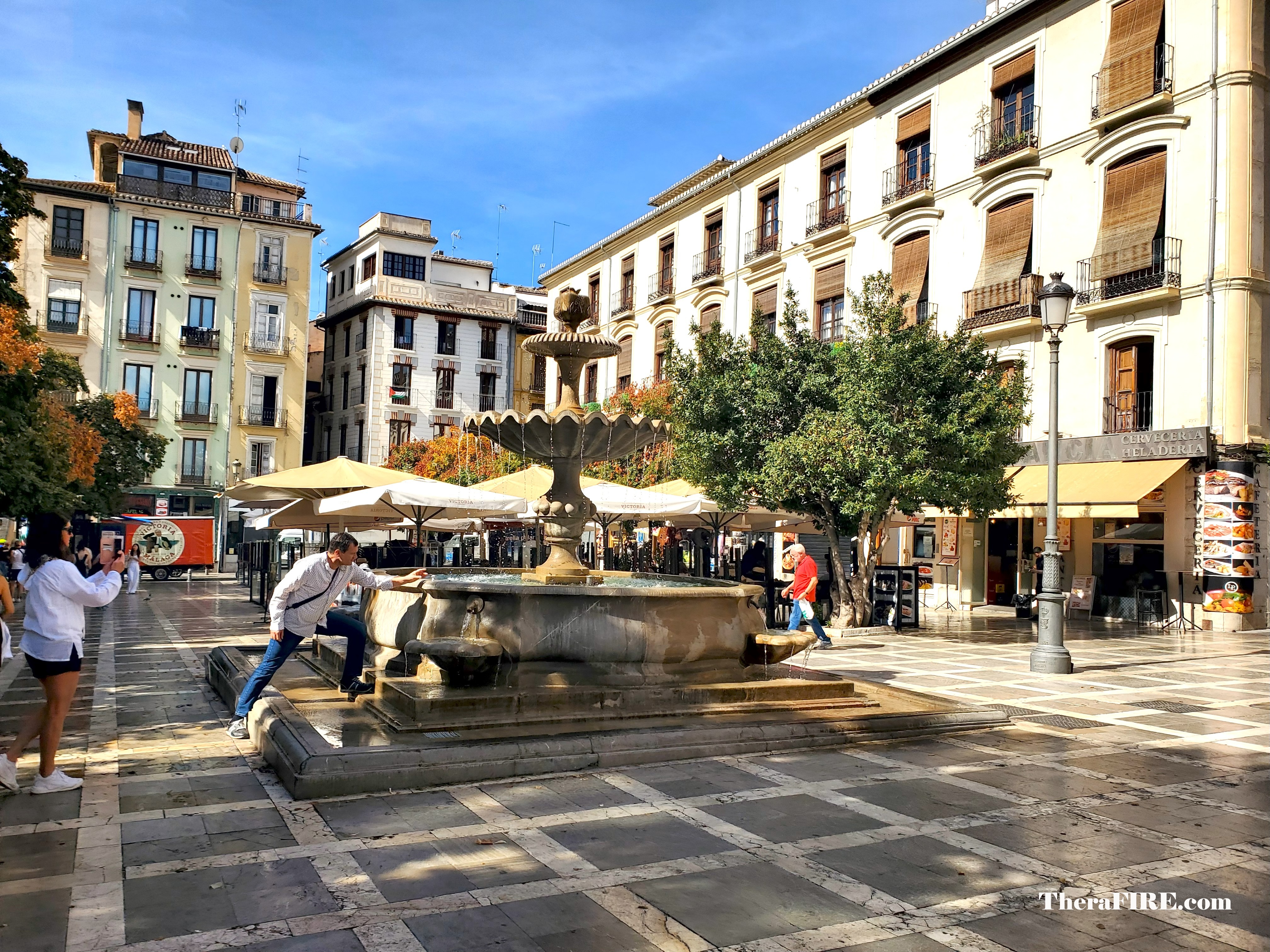
At the end of the river is a square that, despite its name, is the oldest in Granada. Plaza Nueva was constructed in the 16th century by covering the Darro River, which now flows underneath it. A massive open space, it quickly became an essential hub for city life, once serving as a venue for tournaments and bullfights.
Today, Plaza Nueva serves as a lively meeting point for locals and tourists. It is surrounded by historic buildings, including the Royal Chancellery, an impressive Renaissance building that once housed Spain’s highest court and still functions as a courthouse today. With its charming cafes, tapas bars, and restaurants, there’s no shortage of things to do, making it a perfect spot to relax and enjoy the city’s energy.
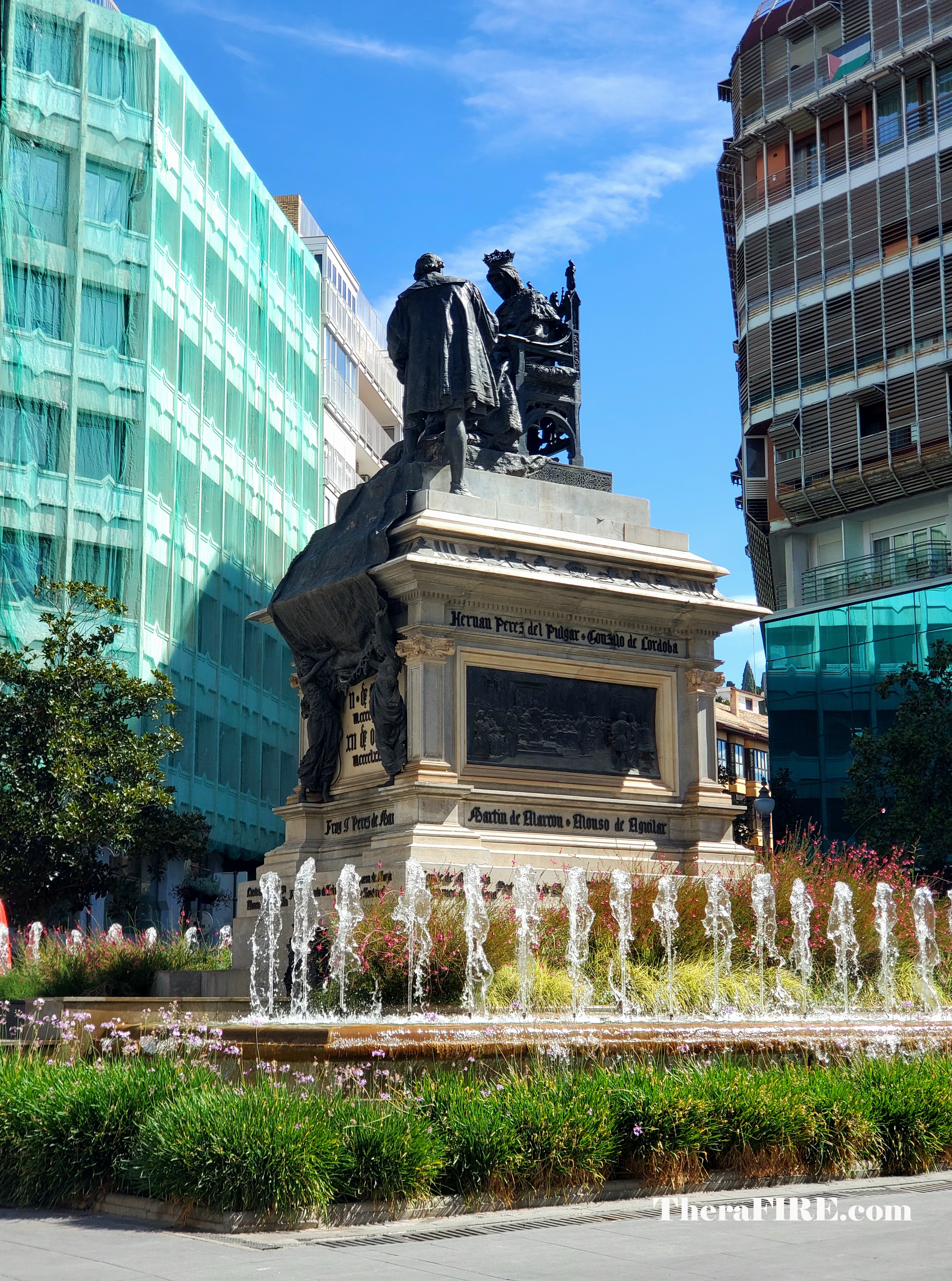
We continued walking to the intersection of Calle Reyes Católicos and Gran Vía de Colón, to see Plaza Isabel la Católica, a prominent square in the heart of Granada. It is a tribute to Queen Isabella I of Castile, featuring a bronze statue that commemorates the Queen granting Christopher Columbus the means to embark on his voyage to the Americas in 1492.
Back once again in the historic center, we revisited the city’s landmarks to appreciate them intently. One of which is the Capilla Real de Granada. A stunning example of late Gothic and Renaissance architecture, it was built by order of the Catholic Monarchs, Queen Isabella I of Castile and King Ferdinand II of Aragon, to serve as their final resting place. Though we only admired it from the outside, its exterior is a work of art, nonetheless.

The facade is adorned with intricate sculptures and the emblems of the Catholic Monarchs, which are potent symbols of their legacy. Entry to the Royal Chapel costs 7 Euros. Tours are permitted only outside worship times, and recordings of any kind are not allowed inside. Visit the chapel website for up-to-date information.

Right next to the Royal Chapel stands the Catedral de Granada, an awe-inspiring example of Spanish Renaissance architecture built on the site of the city’s former central mosque. It was built as a symbol of Christian victory over the Moors and serves as another legacy of the Catholic Monarchs in Granada.
The cathedral’s exterior, facing an expansive plaza, is compelling, but stepping inside is a truly breathtaking experience. The vast interior, with soaring ceilings and a grand nave, instantly inspires a sense of awe. Light streams through the impressive stained-glass windows of the main chapel, illuminating the space with a soft, ethereal glow.
As you wander through the interior, you are surrounded by many side chapels, each lavishly decorated with altarpieces, sculptures, and paintings that tell centuries of stories. The sheer scale and artistic richness of the cathedral’s interior make it a magnificent space that feels both grand and deeply serene. You can browse the cathedral’s website for details on opening times and tickets.
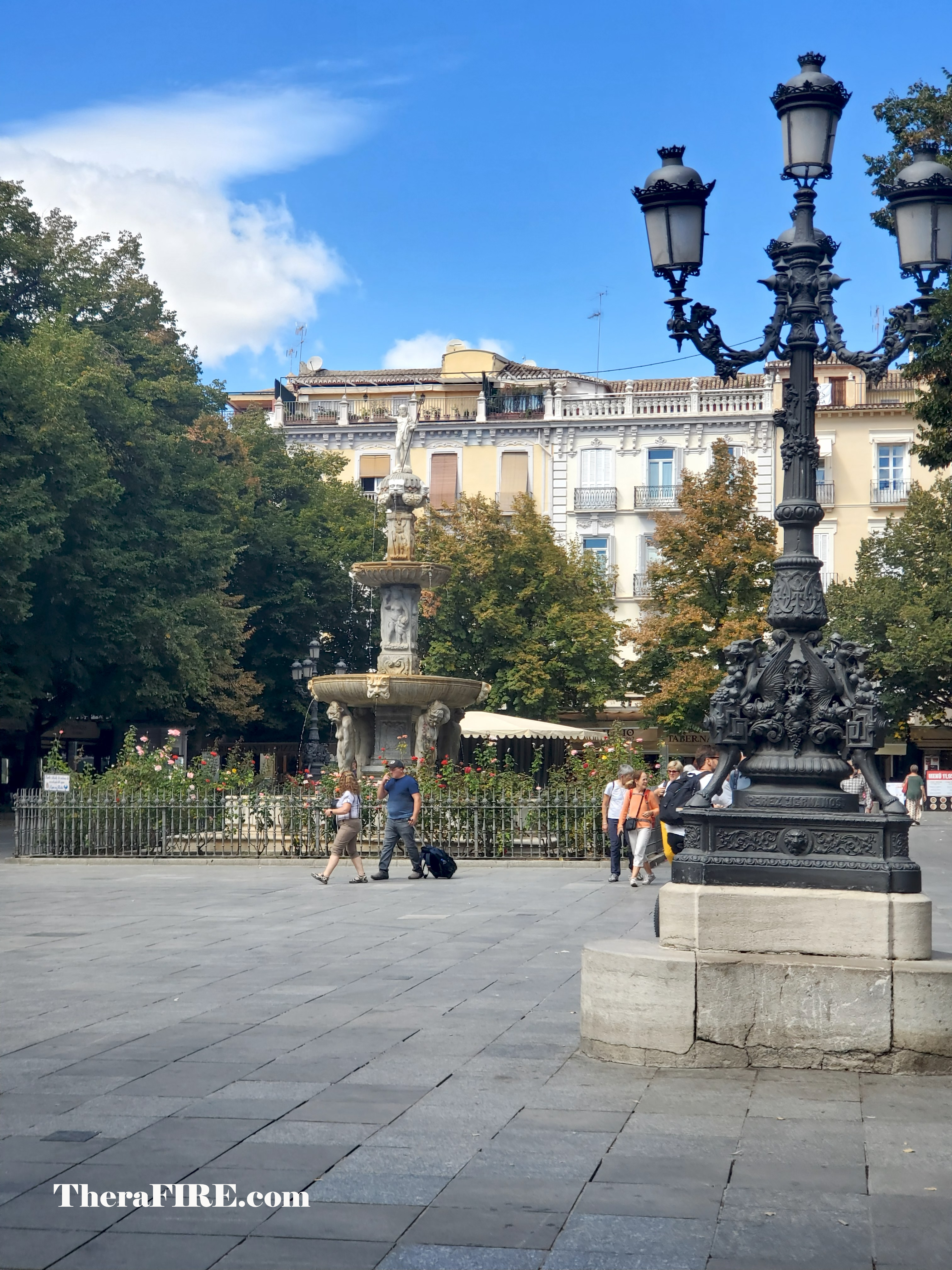
South of the cathedral, through the Alcaicería, is the Plaza de Bib Rambla. Its name, “Bib Rambla,” comes from Arabic, meaning “Gate of the Sand,” as it was a bustling hub of trade and a meeting point during the Moorish era. Today, the plaza retains that lively and vibrant atmosphere, surrounded by beautiful historic buildings with arcades and balconies.
When we visited, the plaza was filled with stalls and pop-up shops, a nod to its history as a marketplace and a place for festivals and events. It was a delightful place to wander, browse through the goods, and feel the pulse of the city. The central fountain, known as the Fountain of the Giants, serves as a focal point, and the many cafes and restaurants around the plaza make it an ideal spot to relax, enjoy a drink, and people-watch.
Total Spent for 2 nights in Granada: ~$500.00

As we boarded the bus back to Malaga, we felt that, although short, our Granada adventure had been an insightful experience. Looking back at the souvenir-packed streets alongside majestic architecture, it truly was a journey that seamlessly blended different ancient empires into the modern world. From the overwhelming beauty of the Alhambra to the vibrant energy of the Historic Center, the city left an indelible mark on our hearts. Granada, a place that recounts Spain’s past and the enduring power of beauty and art.
References
- Plaza Romanilla
- History of Granada
- Alcaicería
- Albaicín
- Plaza Nueva
- Carrera del Darro
- Plaza Isabel la Católica
- Plaza de Bib Rambla
Trial Retirements are periods we dedicate to traveling to beautiful countries to know if they are perfect for us when we eventually retire. The time spent outside work will preview our habits and behaviors when we reach Financial Independence and, of course, our way to recharge after months of hard work.
Anything we missed? Questions? Violent reactions? Let us know in the comments below!
Check out our trial retirements in Mexico, Costa Rica, and Peru! You can also follow our week-long adventures in Paris and Porto. Subscribe and follow TheraFIRE on our social media!
 TheraFIRE